Understanding EV Charging: Types, Access and Practical Advice
Introduction: Why EV Charging Matters
As electric vehicles (EVs) become more common, reliable charging infrastructure is essential for drivers, businesses and local planners. EV charging determines range confidence, daily convenience and the environmental benefits of switching away from fossil fuels. Understanding the options and how they work helps drivers make informed choices about home installation, public charging and trip planning.
Main body
Types of chargers and typical speeds
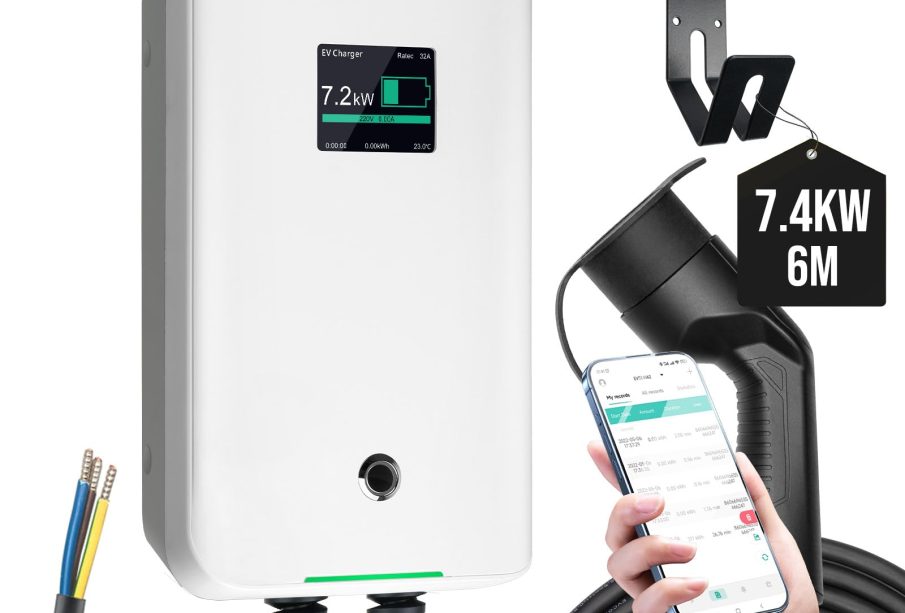
Charging hardware is commonly divided into AC (alternating current) and DC (direct current) chargers. Home and workplace chargers are usually AC wallboxes, typically offering from around 3.6 kW up to 22 kW depending on the electrical supply. Public rapid and ultra-rapid chargers use DC and can deliver much higher power — commonly 50 kW for rapid chargers and 150 kW or more for ultra-rapid units — reducing the time needed for a substantial top-up.
Connectors and vehicle compatibility
Connector types vary by region and vehicle. In many markets, Type 2 and CCS (Combined Charging System) are widely used for AC and DC charging respectively, while CHAdeMO remains in use for some older models. Proprietary connectors exist for certain manufacturers in some markets. Adapters and clear information at charging points help ensure compatibility.
Home charging, public networks and payments
Most everyday charging is done at home overnight using a dedicated wallbox or a standard socket where appropriate. Public charging networks provide destination, rapid and urban charging; apps and network cards manage access and payments. Many providers now support roaming between networks to simplify use across different operators.
Smart charging and grid integration
Smart charging features allow users to schedule charging during low-cost or low-carbon periods, and can optimise charging to avoid overload of local supplies. Vehicle-to-grid (V2G) and battery storage systems offer future potential to balance demand and support grid resilience.
Conclusion: What readers should take away
EV charging is a key enabler of the switch to electric transport. For drivers, understanding charger types, connector compatibility and payment systems improves confidence. For households and businesses, installing appropriate home or workplace charging and considering smart controls delivers convenience and cost savings. As infrastructure expands, expect faster chargers, improved network interoperability and closer integration with the electricity system to make charging easier and more efficient for everyone.


