Understanding Cold Weather Payments in the UK
Introduction
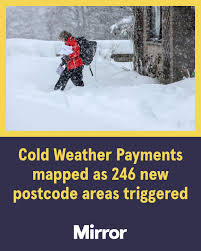
Cold weather payments are vital financial aids delivered by the UK government to assist vulnerable households during periods of extremely low temperatures. As winter approaches, understanding the eligibility criteria and application processes for these payments becomes crucial for many individuals and families facing financial hardships. With rising energy costs and economic uncertainties, the importance of such support is more pronounced than ever.
What Are Cold Weather Payments?
Cold weather payments are designed to help those on certain benefits cope with the high costs associated with heating their homes in extreme weather conditions. Specifically, payments of £25 are issued for each seven-day period of recorded temperatures at or below freezing (0°C) in the specified areas during the winter months. The scheme is particularly aimed at those receiving specific benefits, including Pension Credit, Income Support, and Universal Credit.
Who Is Eligible?
Eligibility for cold weather payments primarily hinges on receiving certain qualifying benefits as mentioned above. Additionally, conditions apply: individuals must be living in Great Britain, and their area must experience the stipulated cold temperatures for the required duration. For those on Universal Credit, the payment may vary depending on individual circumstances, including their housing costs.
How Do Payments Work?
These payments are automatically triggered by the UK Met Office when the weather conditions are met. Households do not need to apply for the payment themselves, as eligible claimants will receive the funds directly through the same method they receive their benefits. However, it is essential for recipients to ensure their local social services have up-to-date information regarding their benefits and situations to avoid delays.
Recent Updates and Future Expectations
In light of the UK’s ongoing energy crisis, the government has pledged to review and potentially enhance cold weather payment schemes to better support vulnerable households facing extreme financial pressures. Recent discussions have indicated a push for increasing the payment amounts and widening the eligibility criteria to encompass more low-income families, especially as climate change provokes more extreme cold weather events.
Conclusion
Cold weather payments serve as a crucial safety net for many in the UK during winter months. As temperatures drop, it is important for individuals to be aware of their rights and the resources available to them. While the weather conditions may be beyond our control, both government support and community initiatives play a significant role in ensuring that no one has to suffer during these challenging months. Keeping informed about cold weather payments and advocating for better assistance will remain vital as the country prepares for future winters.


