Understanding a Bobsleigh Crash: Causes, Response and Impact
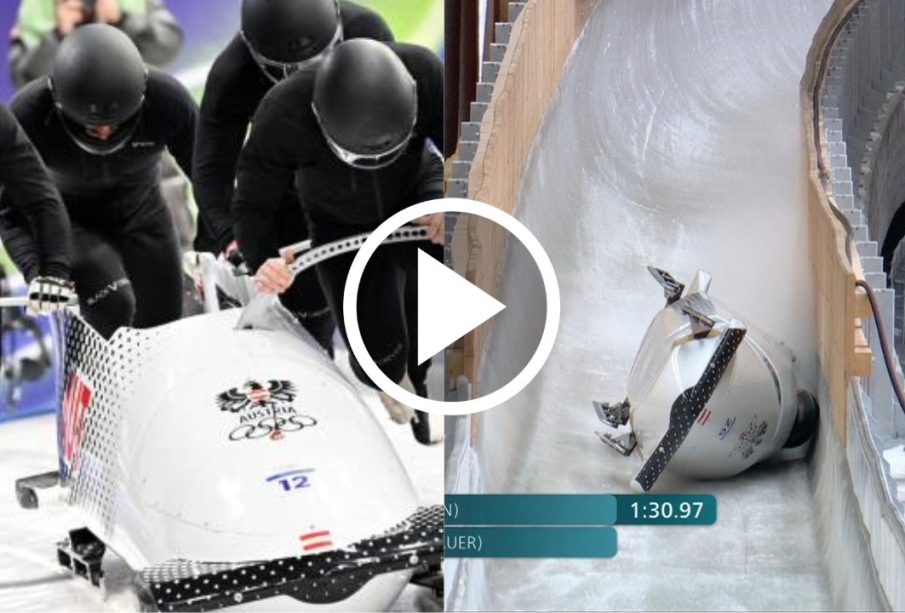
Introduction: Why a bobsleigh crash matters
A bobsleigh crash is a high‑risk incident that can affect athlete welfare, event scheduling and perceptions of winter sport safety. Given the speed and physical forces involved, any crash attracts scrutiny from sporting bodies, medical teams and the public. Understanding causes, immediate responses and longer‑term consequences helps stakeholders reduce risk and protect competitors.
Main body: Causes, response and safety measures
Common causes
Crashes in bobsleigh can result from a mix of factors: track conditions, sled setup, steering errors, weather and human factors such as miscommunication or momentary loss of control. Even small misalignments at the start or an unexpected bump on a track can amplify at high velocity, increasing the likelihood of a crash. Technical faults with the sled or equipment failure, while less common, also play a role.
Immediate response
Following a crash, priority is given to medical assessment and extraction. Accredited medical teams are typically on site during competitions to provide rapid triage and transfer to hospital if needed. Event officials will secure the track to prevent further incidents and allow investigators to document conditions and equipment involved.
Investigation and safety protocols
Sporting federations and local organisers investigate crashes to identify contributing factors. That can lead to temporary track closures, changes in start positions, alterations to sled specifications or revised safety briefings. Helmets, protective suits and track safety features such as padding and barriers are standard mitigations; ongoing research into sled design and track engineering aims to reduce crash severity.
Impact on athletes and events
Beyond immediate injuries, crashes can affect an athlete’s confidence and season planning. Organisers may postpone or modify events while safety reviews take place. Public and media attention can prompt broader discussions about governance, training standards and investment in safety improvements.
Conclusion: Lessons and outlook
A bobsleigh crash highlights the inherent risks of high‑speed winter sports but also the systems in place to manage those risks. Continued emphasis on equipment standards, track maintenance and emergency response can reduce frequency and severity. For athletes, teams and spectators, the priority remains preventing incidents while preserving the competitiveness and appeal of the sport.


