UK Weather: The Impact of the Freezing Arctic Blast
Introduction
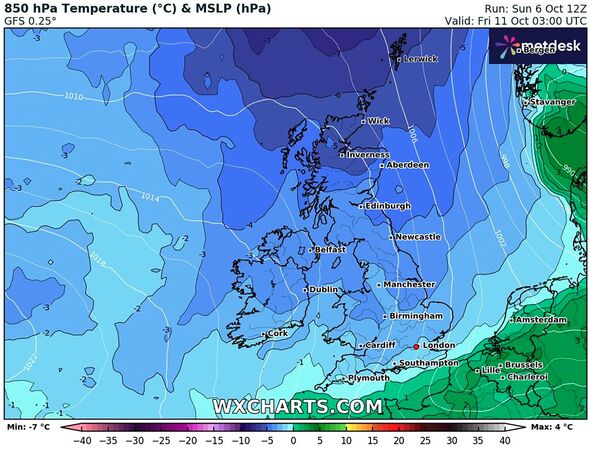
The UK is currently experiencing a significant shift in weather patterns as a freezing Arctic blast sweeps across the nation. This phenomenon comes with sub-zero temperatures and heavy snowfall, impacting daily life, travel, and essential services. Understanding the implications of such weather conditions is crucial for residents and authorities alike, especially as the region prepares for disruptions and potential hazards.
The Arrival of Arctic Conditions
Forecasters have reported that the Arctic blast, which began affecting the UK earlier this week, is the result of polar air masses moving southward, coupled with a series of low-pressure systems. The Met Office has issued multiple weather warnings across various regions, including Scotland, parts of Northern Ireland, and northern England, where heavy snow is expected to accumulate.
The snowfall has already led to several travel disruptions, with reports of delayed flights at major UK airports and hazardous driving conditions on many roads. Public transport services have also faced challenges, with delays and cancellations due to snow and ice. Authorities are advising commuters to check for updates and allow extra time for journeys.
Impact on Daily Life
As the freezing weather continues, schools and local councils are also responding to the conditions. Some schools in the worst-hit areas have opted to close or switch to remote learning, while councils are deploying snow ploughs and gritters to maintain road safety. Residents have been encouraged to stay indoors where possible and to prepare for potential power outages, especially in areas experiencing heavy snowfalls.
Looking Ahead
Weather forecasts indicate that temperatures may remain below average for at least the next week, with highs struggling to reach freezing point in many areas. This prolonged cold snap is expected to challenge the emergency services and expose vulnerabilities in community infrastructure. Experts warn that continued exposure to freezing temperatures could pose risks, particularly for the elderly and vulnerable groups without proper heating or support systems.
Conclusion
The ongoing Arctic blast is a timely reminder of the UK’s winter vulnerabilities, especially in light of the climate change challenges the country faces. As the freezing weather prevails, it is critical for residents to stay informed of weather updates and safety advice. Looking ahead, it is expected that authorities and communities will take proactive measures to mitigate impacts, preparing for a more severe winter weather pattern in the future.


