Torvill and Dean: How Bolero Changed Ice Dancing
Introduction: Why Torvill and Dean Still Matter
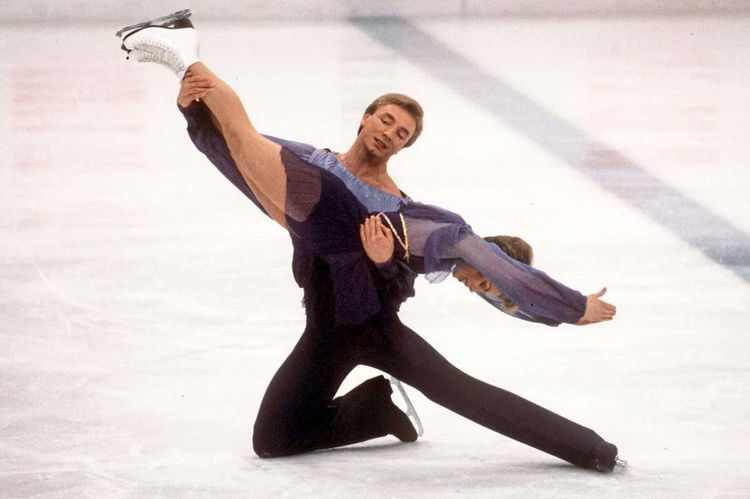
Few names in British sport evoke the crossover of artistry and athleticism as immediately as Torvill and Dean. Their 1984 Olympic free‑dance to Maurice Ravel’s Bolero not only won gold but reshaped public expectations of ice dance, bringing theatrical narrative and popular appeal to a technical discipline. The pair’s continuing presence on ice and in the public eye keeps ice dancing relevant to new audiences and inspires skaters worldwide.
Career highlights and lasting achievements
Jayne Torvill and Christopher Dean rose to international prominence through a partnership built on creativity and precision. At the 1984 Sarajevo Winter Olympics they produced a performance that became synonymous with the sport: their Bolero routine earned them the gold medal and the extraordinary accolade of multiple perfect scores for artistic impression. That single programme helped elevate ice dance from a specialist competitive field to mainstream cultural conversation.
From competition to performance and outreach
Following their competitive success, Torvill and Dean transitioned into professional skating, television appearances and touring ice shows. Their decisions to present narrative‑driven programmes and to collaborate with choreographers and musicians broadened the scope of what ice dance could be. Through live touring productions and televised performances, they have kept the discipline in the public eye, providing opportunities for audiences to engage with ice dance outside the competition season.
Impact on sport and culture
Beyond trophies, Torvill and Dean’s influence is visible in how programmes are conceived: emphasis on storytelling, musical interpretation and costume as components of competitive strategy. Coaches and young skaters cite their emphasis on interpretation as a standard to emulate. Their career also demonstrated how elite athletes can build enduring public profiles by combining competitive achievement with entertainment and education.
Conclusion: Legacy and outlook
Torvill and Dean remain reference points for judges, choreographers and fans. As ice dance evolves with new scoring systems and creative trends, the pair’s Bolero remains a benchmark for artistic impact. For readers, their story underlines how innovation in sport can produce lasting cultural change and suggests that future generations will continue to draw inspiration from their blend of artistry and athleticism.


