Tom Tugendhat: A leading voice on UK foreign policy
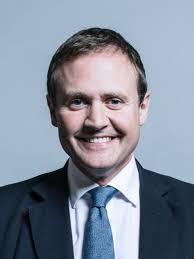
Introduction: Why Tom Tugendhat matters
Tom Tugendhat has become a prominent figure in debates over the United Kingdom’s foreign policy and national security. As a Conservative Member of Parliament and former chair of the House of Commons Foreign Affairs Committee, his interventions carry weight in discussions about the UK’s response to geopolitical challenges such as Russia’s aggression and concerns about China’s global role. Understanding his background and positions helps readers gauge likely directions in policy and parliamentary scrutiny.
Main body: Career, roles and policy positions
Parliamentary and professional background
Tugendhat has served as the Member of Parliament for Tonbridge and Malling since first being elected in 2015. Before entering Parliament he was a British Army officer with operational deployments to Iraq and Afghanistan. His military and international experience has informed his parliamentary focus on security and foreign affairs.
Chair of the Foreign Affairs Committee
From 2017 until 2022 Tugendhat chaired the Foreign Affairs Committee, a role in which he led inquiries and published reports on global threats, diplomatic priorities and UK strategy. During his tenure the committee examined issues including the UK’s response to Russia’s invasion of Ukraine and relations with China, helping to shape parliamentary scrutiny of government policy.
Policy stances and public profile
Tugendhat is widely regarded as a hawkish voice on security matters: he has called for robust support for Ukraine following the 2022 invasion and has expressed concerns about coercive behaviours by state actors, notably Russia and China. In 2022 he stood briefly as a candidate in the Conservative Party leadership contest; his leadership bid did not succeed, but it raised his national profile and underlined his interest in shaping party and government direction on foreign policy.
Conclusion: Significance and prospects
Tom Tugendhat’s combination of military experience and parliamentary leadership on foreign affairs makes him a significant figure in ongoing debates about the UK’s international role. Whether as a backbench critic, committee chair or minister, his views are likely to influence discourse on defence, diplomatic strategy and support for allies. For readers, his positions offer a clear indicator of one strand of thinking within UK politics that prioritises security, firm responses to aggression, and sustained engagement in global affairs.

