Tom Courtenay: A Career in British Film and Theatre
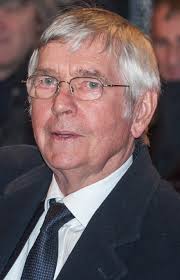
Introduction: Why Tom Courtenay Matters
Tom Courtenay is one of Britain’s most respected actors, whose work across film, television and theatre has helped shape post‑war British culture. Emerging in the 1960s, Courtenay became closely associated with the British New Wave and realist cinema, and his performances remain relevant to contemporary audiences studying acting, social history and film. This brief review outlines his significance and ongoing relevance.
Main body: Career highlights and lasting contributions
Early life and breakthrough
Born in Kingston upon Hull in 1937, Courtenay trained as an actor before gaining recognition on stage and screen. He reached a wide audience in the early 1960s with leading roles in films that captured working‑class life and youthful disaffection. Titles from this period are often cited as defining examples of British New Wave cinema.
Iconic film roles
Courtenay’s performances in films such as The Loneliness of the Long Distance Runner and Billy Liar brought him critical attention and helped to establish a screen persona that combined vulnerability, wit and moral intensity. Over subsequent decades he moved between film and theatre, building a reputation for versatility and depth.
Theatre and television work
Alongside his film career, Courtenay maintained a strong presence on the stage, appearing in major productions and collaborating with leading directors and companies. He also took important television roles that broadened his audience and demonstrated his range in intimate, character‑driven pieces.
Conclusion: Legacy and what it means for readers
Tom Courtenay’s body of work offers a window into British social and cultural change from the 1960s onward. For readers, his films and stage performances are both accessible examples of committed acting and useful material for understanding shifts in British storytelling. Looking ahead, Courtenay’s career is likely to continue attracting attention through retrospectives, restorations and academic interest, ensuring his place in discussions of British film and theatre history.


