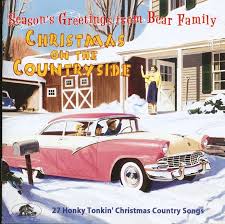
The Significance of Christmas Music in Modern Culture
Introduction
Christmas music has become an integral part of the holiday season, encapsulating the spirit of joy, nostalgia, and celebration. As the festive period approaches, the airwaves fill with familiar melodies that evoke cherished memories and traditions. Understanding the evolution and significance of Christmas music provides insight into its role in our contemporary culture, impacting not only holiday celebrations but also the music industry as a whole.
The Evolution of Christmas Music
The tradition of Christmas music dates back centuries, with early carols emerging in medieval Europe. Originally, these songs were performed in churches, celebrating the birth of Jesus Christ with religious themes. Over the years, the genre evolved, incorporating folk tunes and secular themes, making it more accessible and appealing to the wider public. In the mid-20th century, artists began to produce Christmas albums, and songs like “White Christmas” by Bing Crosby and “Jingle Bell Rock” by Bobby Helms became seasonal hits.
Current Trends in Christmas Music
In recent years, Christmas music has seen a resurgence, with modern artists releasing their own renditions of classic songs as well as original compositions. Streaming services have played a significant role in this trend, providing easy access to expansive holiday playlists. According to statistics from Spotify, users often create and share playlists dedicated exclusively to Christmas music, with audiences streaming these festive tunes at record rates every holiday season. This trend demonstrates a growing appreciation for both traditional and contemporary takes on holiday music.
The Impact of Christmas Music on Society
The cultural impact of Christmas music extends beyond mere entertainment; it fosters a sense of community and connection among people. Public spaces, shops, and homes resonate with festive tunes, creating an atmosphere of cheer and goodwill. Businesses capitalise on this by utilising Christmas music to enhance the shopping experience, often introducing exclusive holiday playlists to evoke feelings of nostalgia and happiness among shoppers, thereby boosting sales.
Conclusion
With its rich history and evolving landscape, Christmas music continues to play a vital role in holiday celebrations worldwide. As listeners gravitate towards both classic and contemporary songs, the emotional connection to these melodies deepens, reinforcing the themes of family, love, and togetherness during the season. Looking ahead, as the music industry adapts to changing preferences and technology, we can expect Christmas music to remain a beloved aspect of our holiday traditions for years to come.