The Significance of Bradford Cathedral in West Yorkshire
Introduction
Bradford Cathedral, located in the heart of West Yorkshire, is not only a place of worship but also a vital historical and cultural landmark. Founded in the 7th century, it has witnessed the evolution of Bradford from a small settlement into an industrial hub. The Cathedral plays a crucial role in the community, providing spiritual guidance and serving as a venue for various cultural events.
A Historical Overview
The origins of Bradford Cathedral date back to the time when it was established as a church in 650 AD. The site has undergone numerous transformations, being rebuilt several times, with the current structure primarily erected in the late 14th century. It gained its cathedral status in 1919, becoming the seat of the Bishop of Bradford.
Architectural Features
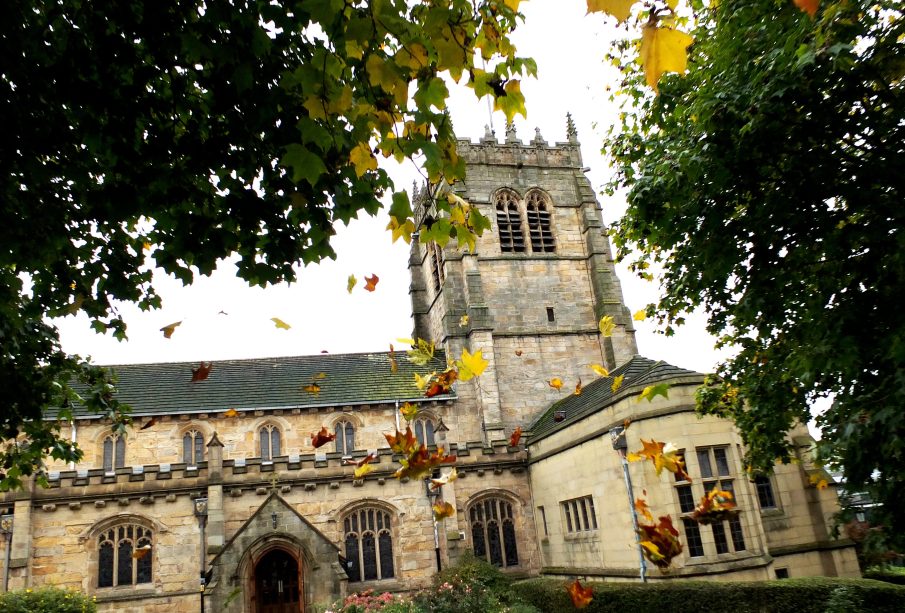
The architecture of Bradford Cathedral showcases a blend of styles, primarily Gothic. Notable features include the striking wooden beams in the Nave and the stunning stained glass windows, which depict biblical stories and the history of the region. Visitors are often awed by the intricately designed stonework and the peaceful ambiance that surrounds the Cathedral.
Community Engagement
Bradford Cathedral serves as a focal point for community activities, hosting everything from concerts to educational events. With an aim to foster an inclusive environment, the Cathedral has recently expanded its outreach programs, helping to engage diverse community groups. It has also established partnerships with local schools and charities, further cementing its role as a community hub.
Recent Events and Developments
In recent months, Bradford Cathedral has hosted a series of exhibitions and events celebrating local artists, reflecting the community’s rich heritage and creativity. Furthermore, ongoing restoration projects aim to preserve its architectural integrity and ensure that future generations can appreciate its beauty.
Conclusion
As Bradford Cathedral approaches its 1400th anniversary, its importance continues to resonate within the community. The Cathedral not only serves as a historical site but also as a living part of Bradford’s community life. Its commitment to outreach, education, and cultural enrichment underscores the role of religious institutions in modern society. The future of Bradford Cathedral looks promising, with plans for expansion and greater community involvement, ensuring that it remains a central part of Bradford’s heritage.


