The Royal Mile: Edinburgh’s Historic Spine Faces Modern Challenges
Introduction — Why the Royal Mile Matters
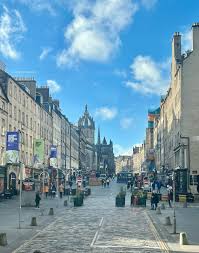
The Royal Mile is one of Scotland’s most recognisable thoroughfares, forming the central axis of Edinburgh’s Old Town and linking Edinburgh Castle with the Palace of Holyroodhouse. As a focal point for history, culture and tourism, the Royal Mile plays a critical role in the city’s identity and economy. Its significance makes any discussion about conservation, visitor management and local livelihoods especially relevant to residents and visitors alike.
Main body — Heritage, pressures and responses
Historic significance and urban fabric
Running through the heart of Edinburgh’s Old Town, a designated UNESCO World Heritage Site, the Royal Mile comprises a sequence of narrow streets, closes and historic buildings that collectively reflect centuries of urban development. The architecture and layout tell a layered story of Scotland’s political, cultural and social history, and the street attracts millions of visitors each year who come to see landmarks, museums and traditional shops.
Tourism, commerce and day-to-day life
The popularity of the Royal Mile brings economic benefits to the city, supporting hospitality, retail and cultural sectors. At the same time, high visitor numbers place pressure on historic fabric, public space and local services. Issues frequently raised by community groups and businesses include crowding, noise, the impact of souvenir retail on local provision, and the need for ongoing repair of stonework and roofs on ageing buildings.
Conservation and management approaches
Conservation specialists, local councils and community organisations increasingly emphasise the need to balance access with protection. Measures discussed or adopted in similar historic centres include targeted maintenance programmes, clearer visitor information, regulated street trading and collaboration with cultural events organisers to spread footfall across the year. The aim is to protect the Royal Mile’s character while sustaining its contribution to city life.
Conclusion — Looking ahead
For residents, businesses and city planners, the challenge is to ensure the Royal Mile remains both a living street and a safeguarded heritage asset. Forecasts point to continued investment in conservation, smarter visitor management and strengthened community engagement. For readers, this means the Royal Mile will likely continue to evolve — preserving its historic appeal while adapting to modern demands in ways that aim to benefit both visitors and the people who call it home.