The Rising Phenomenon of Travelling Auctioneers
Introduction
Travelling auctioneers are becoming an increasingly common sight across the United Kingdom, captivating audiences with their flair for both entertainment and commerce. This innovative practice not only challenges traditional methods of auctioneering but also plays a significant role in local economies by drawing crowds and boosting community spirit. Given the recent market shifts and the growing popularity of online auctions, understanding the evolution and impact of travelling auctioneers is crucial for both potential buyers and sellers in today’s auction landscape.
The Rise of Travelling Auctioneers
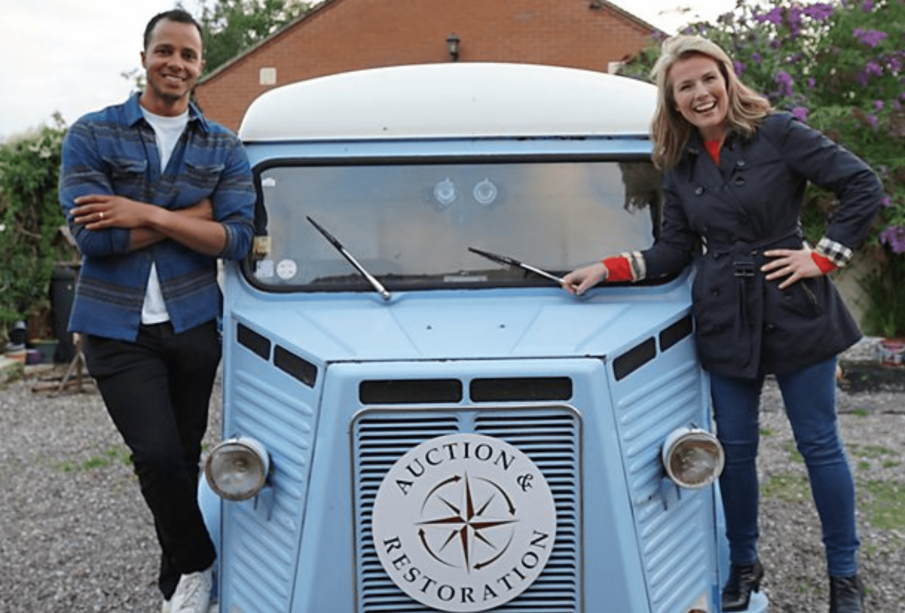
Historically, auctioneers were rooted in a fixed location, typically operating from auction houses. However, with the exponential growth of the auction industry aided by social media and marketing strategies, a new breed of auctioneers has emerged. Travelling auctioneers take their services on the road, often visiting rural and underserved communities to organise auctions directly at the doorsteps of potential clients.
In recent months, the popularity of travelling auctions has surged, especially during the pandemic when individuals sought unique experiences outdoor and socially distanced. They not only provide an opportunity to bid on intriguing items but also entertain, creating an engaging event for participants. According to the Association of Auctioneers, attendance at travelling auctions has increased by over 30% in the past year alone, indicating a growing trend driven by the public’s desire for accessible and interactive experiences.
Impact on Local Communities
Travelling auctioneers serve as a key resource for communities, supporting local economies by revitalising interest in regional goods. They often collaborate with local artisans, farmers, and craftspeople, highlighting unique products that may not receive attention in conventional auction houses. This synergy has demonstrated benefits by fostering relationships and encouraging local businesses. Additionally, many travelling auctioneers donate a portion of their proceeds to local charities, reinforcing their commitment to giving back to the communities they serve.
Moreover, the popularity of these auction events helps promote local culture and heritage, as travelling auctioneers incorporate regional stories and themes into their presentations. This approach has further diversified the auction industry, allowing for a richer experience for both bidders and sellers.
Conclusion
As travelling auctioneers continue to carve their niche within the auction industry, their influence on local communities becomes more profound. With their ability to blend commerce and entertainment and their role in supporting local economies, the future looks bright for this burgeoning trend. Potential buyers and sellers should pay attention to this innovative approach as it offers fresh opportunities and the benefits of engaging in local events. As the demand grows, we can expect to see more travelling auctioneers popping up across the UK, making auctions an even more vibrant part of community life.


