The New York Times: A Look at Its Impact and Relevance Today
Introduction
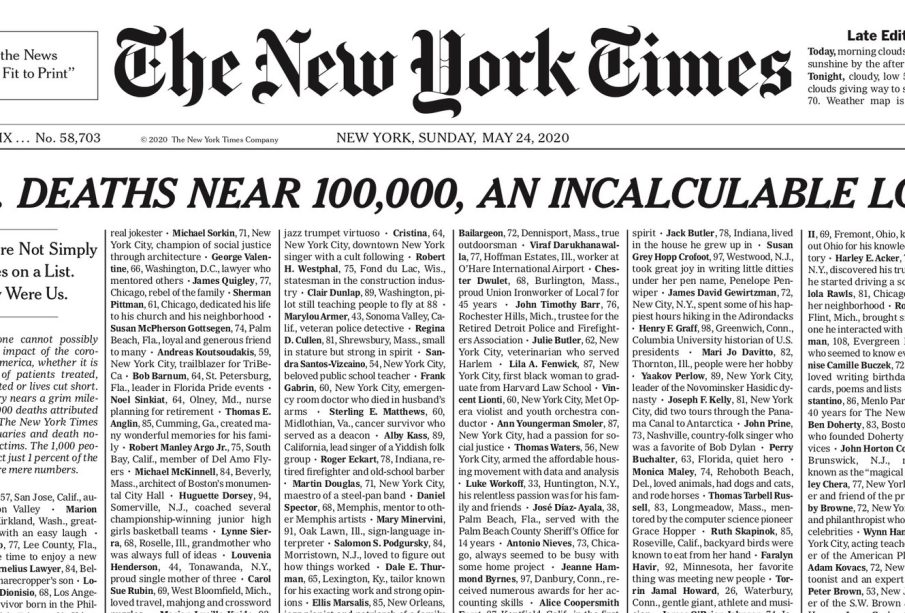
The New York Times, established in 1851, is one of the most influential and widely respected newspapers in the world. Renowned for its in-depth reporting and quality journalism, it holds a pivotal role in shaping public opinion, informing policymakers, and setting the agenda for news coverage both in the United States and globally. As digital media continues to evolve, The New York Times maintains its status as a critical source of trustworthy information amidst an era of information overload and misinformation.
Key Developments in Recent Years
In recent years, The New York Times has adapted to the digital landscape, implementing strategies that have attracted millions of online subscribers. As of 2023, the paper boasts over 10 million digital subscriptions, a significant increase due to high-interest content and exclusive reports especially during key events such as the COVID-19 pandemic and the 2020 U.S. presidential election.
Furthermore, the introduction of interactive journalism and multimedia storytelling has engaged audiences in unprecedented ways. Articles enriched with audio, video, and visualisation tools enhance the reader experience and encourage a deeper understanding of complex issues.
Challenges and Criticism
Despite its successes, The New York Times has faced criticism regarding bias and the handling of certain stories. Critics argue that it sometimes presents a particular political viewpoint, prompting discussions about media neutrality and the responsibility of journalists to provide varied perspectives. In response, the publication has worked to reinforce transparency, providing readers with detailed sourcing and sometimes even publishing clarifications or corrections when needed.
The Future of The New York Times
Looking ahead, The New York Times aims to innovate further, focusing on global expansion and diverse content. With initiatives leaning towards podcasts, newsletters, and even documentary films, the organisation is bolstering its reach and adapting to the changing consumption patterns of news among younger generations. The ongoing investment in technology and digital tools signifies a commitment to maintaining relevance in a competitive media landscape.
Conclusion
The New York Times continues to be a vital institution in journalism, embodying the values of integrity and commitment to facts. As it faces new challenges and transitions, its influence on public discourse and commitment to high-quality journalism remains crucial. For readers, staying informed through such reputable sources not only aids in understanding the world but also promotes a healthier, more informed democratic society.