The Legacy of Peter Cushing in Film and Horror
Introduction
Peter Cushing is a name synonymous with classic horror cinema, whose performances have left an indelible mark on the film industry. Born on May 26, 1913, Cushing rose to fame in the 1950s and 1960s, becoming one of the most recognisable faces in British film history. His impact transcends generations, making it relevant to revisit his contributions to cinema today.
Career Highlights
Cushing began his career on stage, before transitioning to film with roles in productions such as ‘The Man in the Iron Mask’ (1952). However, it was his portrayal of Dr. Van Helsing in Hammer Film Productions’ ‘Horror of Dracula’ (1958) that propelled him to international fame. His chemistry with co-stars, particularly Christopher Lee, solidified his position in horror film lore.
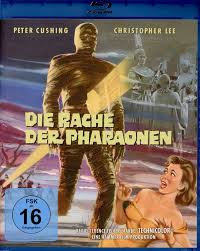
Over the subsequent decades, Cushing starred in a plethora of horror films, including ‘The Curse of Frankenstein’ (1957) and ‘The Mummy’ (1959). He was praised not only for his roles in horror but also for his versatility as an actor, appearing in non-horror projects like ‘Star Wars’ (1977) as Grand Moff Tarkin, introducing him to a new generation of fans.
Impact and Legacy
Peter Cushing’s commitment to his craft and his ability to embody a wide array of characters made him a beloved figure in film. The actor was known for his professionalism and dedication, often performing stunts himself and bringing authenticity to his characters. His distinctive voice and commanding presence on screen created memorable performances that are still celebrated today.
His influence can be seen in contemporary horror films and through the work of numerous modern actors who cite him as a major inspiration. Cushing’s characters often explored themes of good versus evil, making him a key figure in the genre that continues to resonate with audiences.
Conclusion
Peter Cushing passed away on August 11, 1994, yet his legacy endures. Film enthusiasts and horror fans alike continue to revisit his films, ensuring that his contributions to cinema are not forgotten. As we explore new technological advancements in filmmaking, Cushing’s imprint remains a significant part of the rich tapestry of cinematic history. His genius and artistry have paved the way for future generations, making a compelling case for his enduring relevance in both the film industry and popular culture.
