The Insurrection Act: History and Current Implications
Introduction to the Insurrection Act
The Insurrection Act, a crucial piece of legislation in the United States, empowers the President to deploy military forces to suppress insurrections and domestic unrest. Its significance has surged in recent years, particularly following events that challenged civil order. Understanding this act is vital for grasping the complexities of government response to civil disobedience and unrest.
Historical Context
Enacted in 1807, the Insurrection Act has been invoked throughout American history during times of turmoil. Notably, it was used during the civil rights movement to enforce school desegregation in Little Rock, Arkansas in 1957 and later during the Los Angeles riots in 1992. This act allows federal forces to intervene when states cannot maintain order, placing an important check on state power and asserting federal authority.
Recent Discussions and Events
In 2020, the Insurrection Act was thrust into the spotlight during nationwide protests following the death of George Floyd. Public discussions escalated regarding the potential for President Trump to invoke the act to control unrest. Although it was ultimately not used, the conversation raised critical questions about the balance between maintaining public order and protecting civil liberties. Critics argue that invoking such measures may exacerbate tensions rather than resolve them.
Legal and Political Implications
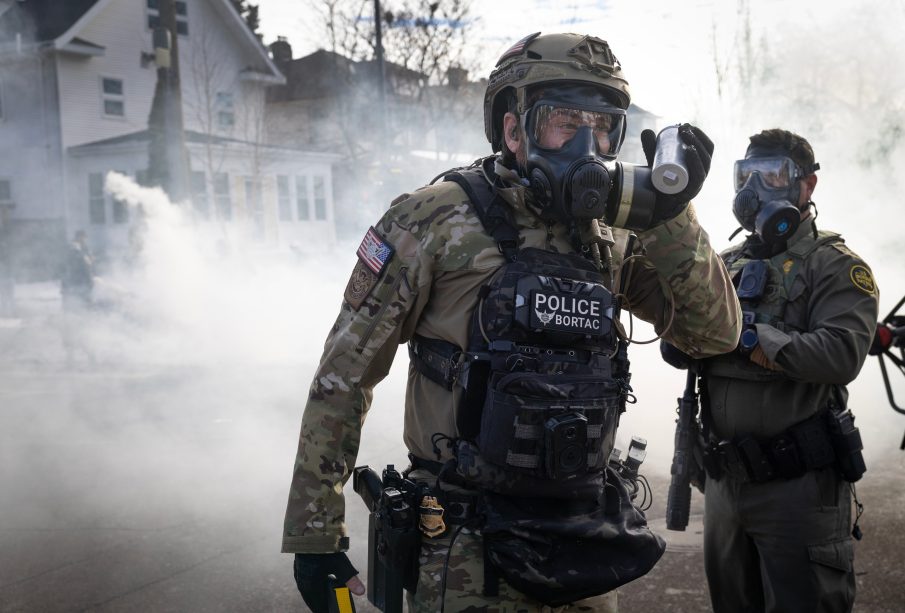
Legal experts continue to debate the appropriate use of the Insurrection Act within the framework of American democracy. Concerns about overreach and the militarisation of law enforcement are prevalent, leaving a lingering effect on public perception. The act has been a focal point of political discourse, especially in times of crisis when calls for federal intervention are at their peak.
Conclusion: The Future of the Insurrection Act
As civil society evolves, the Insurrection Act remains a contentious tool at the government’s disposal. Its future application may depend on both societal sentiment and the prevailing political climate. Citizens must remain informed about such legal frameworks, as they embody the essential dynamics of power and authority in times of national distress. Increased dialogue surrounding the act may lead to reforms and stronger safeguards for democratic processes in the United States.