The Impact of Jeremy Clarkson on Automotive Media
Introduction
Jeremy Clarkson, the British television presenter and journalist, has been a prominent figure in the entertainment industry, especially noted for his work in automotive journalism. His unmistakable presence on shows like Top Gear and The Grand Tour has captivated audiences for over two decades. However, Clarkson’s career has not been without its controversies, making him a subject of both admiration and criticism. This article delves into his influence and the relevance of his persona in today’s media landscape.
Key Milestones in Clarkson’s Career
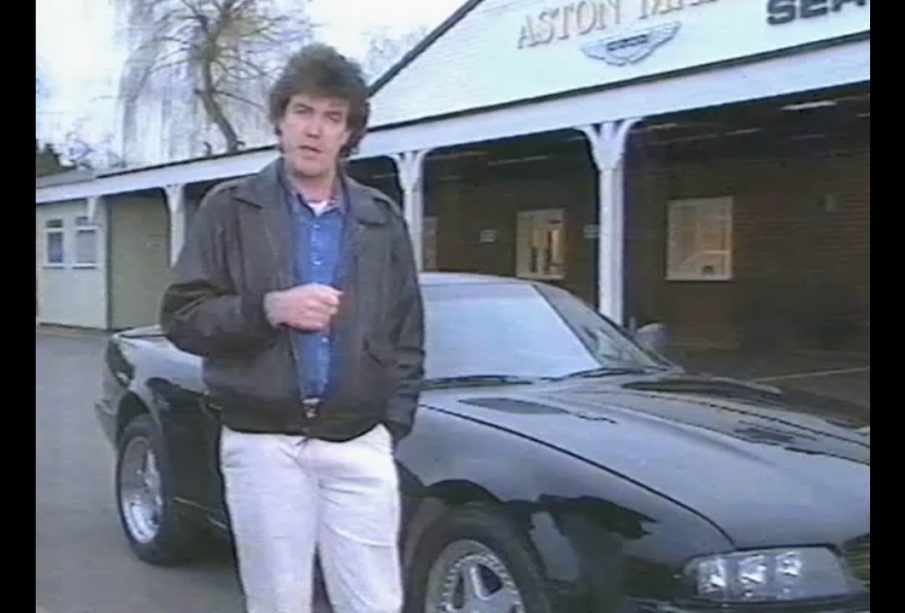
Jeremy Clarkson’s rise to fame began in the 1990s when he joined the Top Gear team, which was initially a tame car review show. Under his leadership, the programme transformed into a global phenomenon, known for its irreverent humour and dramatic car reviews. By 2002, Clarkson had become synonymous with the brand, helping it attract millions of viewers worldwide.
Clarkson’s success on Top Gear led to various spin-offs and merchandise, solidifying his status as a household name. However, his career took a significant turn in 2015 when he was involved in a high-profile incident that led to his departure from the BBC. The altercation with a producer highlighted his volatile personality, which had long been a talking point among fans and critics alike.
Recent Developments
After leaving the BBC, Clarkson shifted gears with The Grand Tour, available on Amazon Prime Video, where he continued to showcase his passion for cars while exploring the world alongside co-hosts Richard Hammond and James May. The show has garnered a loyal fanbase and remains popular, despite ongoing controversies surrounding Clarkson’s off-screen statements and actions, including backlash over his remarks in various media outlets and incidents involving social media. In 2023, he faced renewed criticism for comments related to the Royal Family, bringing his approach to satire back into the spotlight.
Public Reaction and Legacy
Despite the controversies, Clarkson’s charisma and unique style have contributed significantly to the automotive genre in television. His unabashed opinions and larger-than-life persona have allowed him to maintain relevance, even in the face of criticism. Many fans appreciate his honesty and sense of humour, while detractors argue that his comments can be offensive and inappropriate.
Conclusion
As Jeremy Clarkson continues to navigate the challenges of fame, his impact on automotive media remains undeniable. He has shaped perceptions of car culture and entertainment through his distinctive voice, though it often comes with significant backlash. Looking ahead, it will be fascinating to see how Clarkson evolves in an ever-changing media landscape where accountability and sensitivity are increasingly pivotal. Whether viewed as a maverick or a controversial figure, Clarkson will likely continue to engage audiences for years to come.


