The Fast and Furious Franchise: A Cinematic Phenomenon
Introduction
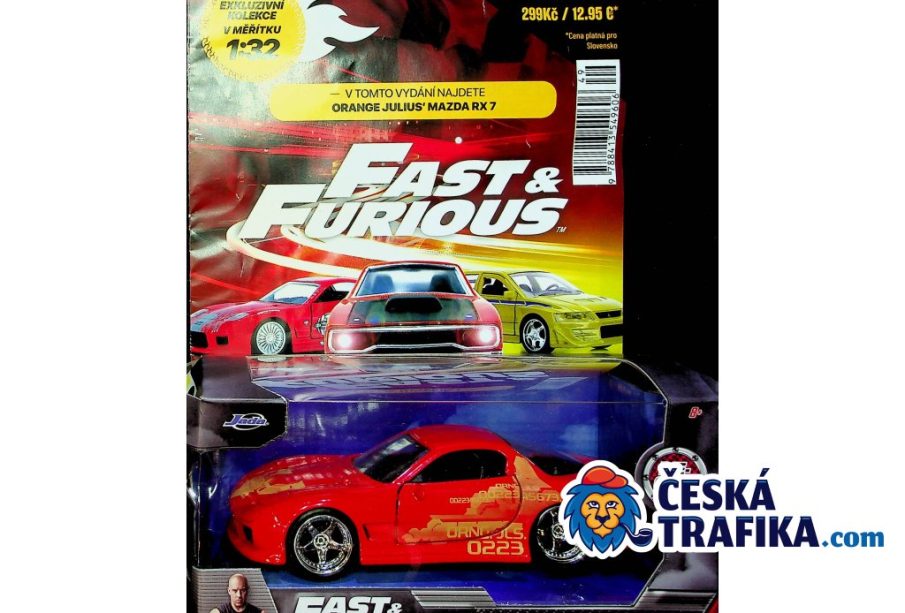
The Fast and Furious franchise has become a cultural icon since its inception in 2001, spanning multiple films, spin-offs, and merchandise. With a blend of high-octane action, family themes, and diverse characters, it is a testament to the evolution of action cinema. The franchise’s focus on fast cars, international heists, and family values resonates with audiences worldwide, making it a significant player in the film industry.
Development and Evolution
The original film, The Fast and the Furious, introduced audiences to the world of street racing and underground car culture, led by stars such as Vin Diesel and Paul Walker. After its initial success, the franchise evolved, gradually transitioning from street racing to elaborate heists and global espionage. Fast Five, released in 2011, marked a pivotal point, with its successful blend of action and heist elements, leading to a shift in the franchise’s direction.
Recent Releases and Cultural Impact
As of 2023, the franchise has expanded to include ten main films, with a plan for more sequels in the coming years. The latest installment, Fast X, continues to explore themes of loyalty and family, while introducing new characters, such as Jason Momoa’s villain. The franchise has not only achieved box office success—grossing over $6 billion globally—but has also influenced car culture and fashion. The films have led to a resurgence in interest in classic and performance cars, with many fans eager to emulate their favourite characters.
Conclusion
The Fast and Furious franchise is more than just a series of action films; it has become a significant part of modern pop culture. With its blend of diverse storytelling, thrilling action sequences, and relatable themes of friendship and family, it continues to engage audiences. As the franchise looks to the future with upcoming projects, fans can expect more adrenaline-fueled entertainment that stays true to its roots while pushing the boundaries of cinematic experiences.