The Enigmatic Beauty of the Aurora Northern Lights
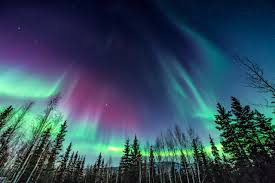
Introduction to the Aurora Northern Lights
The Aurora Northern Lights, a natural light display predominantly seen in high-latitude regions around the Arctic and Antarctic, have fascinated humans for centuries. This stunning phenomenon, caused by the interaction of solar wind with the Earth’s magnetic field, captivates millions of tourists and offers essential insights into space weather. As interest continues to surge, recent events have illustrated both the beauty and the science behind this ethereal display.
Recent Developments and Events
In recent weeks, a series of solar flares and coronal mass ejections from the sun have resulted in heightened activity of the auroras. On October 12, 2023, an intense geomagnetic storm reached level G4 on the NOAA scale, providing opportunities for breathtaking displays of northern lights across northern Europe and North America. Reports indicated that areas in Norway, Canada, and the northern US states experienced vivid green, pink, and even purple hues lighting up the night skies, drawing thousands of spectators eager to witness this rare spectacle.
Visitors in Tromsø, Norway, reported some of the most extraordinary views, with tour operators experiencing a spike in bookings as news of the impending aurora spread. Additionally, local hotels offered ‘aurora wake-up calls’ for guests hoping not to miss a glimpse of the display, showcasing the economic benefits of tourism associated with the northern lights.
Scientific Importance of the Aurora
Beyond their aesthetic appeal, the auroras play a critical role in understanding space weather impacts on Earth. Researchers are using real-time data collected during these active periods to study how solar activity can influence satellite communications and power grids. This understanding is crucial, given the increasing reliance on technology in daily life.
Conclusion and Future Implications
As solar activity is expected to peak during the current solar cycle, astronomers anticipate more frequent displays of the Aurora Northern Lights in the coming months. This not only promises more opportunities for captivating views but also continued scientific exploration of the phenomena. For those interested in experiencing this quintessential display of nature, planning a trip to aurora-prone areas in the winter months could prove rewarding. The enchanting lights serve as a reminder of the wonders of nature and the complex interplay between our planet and the cosmos.