The Elizabeth Line: A New Era for London Transport
Introduction
The Elizabeth Line, also known as Crossrail, opened to the public on May 24, 2022, and has since transformed the public transport landscape in London. This significant infrastructure project aims to improve travel efficiency for millions of commuters and tourists alike, connecting key areas of London like never before. With its state-of-the-art features and enhanced accessibility, the Elizabeth Line represents a major milestone in the evolution of London’s transport system.
Project Background
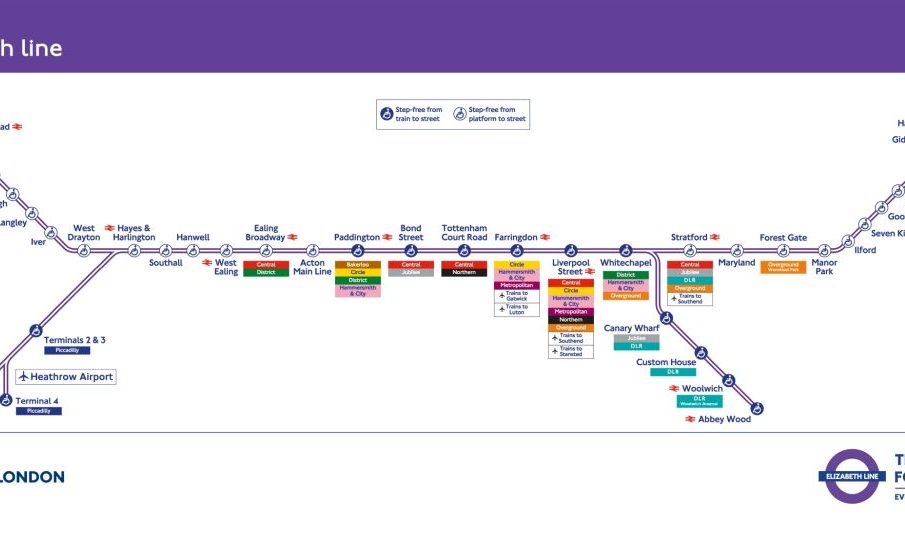
Initially conceived in 1991, the Elizabeth Line faced numerous delays and cost escalations before its operational launch. The £18.9 billion project includes over 60 miles of track, linking Reading and Heathrow in the west to Shenfield and Abbey Wood in the east. The route boasts 41 stations, with ten new stations constructed specifically for this line, showcasing modern architectural designs and improving accessibility for disabled passengers.
Impact on Commuting
The Elizabeth Line has significantly reduced travel times across London, allowing for a more efficient commute. For instance, journeys from Paddington to Canary Wharf have been cut to just 17 minutes, compared to the previous 35 minutes using other forms of transport. Additionally, the electrification of the line promotes a greener alternative, contributing to the reduction of London’s carbon footprint.
Community and Economic Benefits
The introduction of the Elizabeth Line has brought substantial economic opportunities to the areas it serves. It is expected to support more than 55,000 jobs, stimulating local economies and attracting businesses to newly connected regions. Improved public transport accessibility encourages investment in housing and commercial spaces, contributing to urban regeneration.
Future Developments
As the Elizabeth Line continues to operate and expand its services, focus will shift to enhancing passenger experience. London Transport Plans to roll out more frequent services, aiming for trains every five minutes during peak hours. In addition, new digital initiatives are underway to keep passengers updated with real-time information and travel tips.
Conclusion
The Elizabeth Line stands as a testament to modern transportation engineering and urban planning. Its transformative impact on commuting, local economies, and environmental sustainability makes it a crucial element of London’s future transport infrastructure. As the city grows, the Elizabeth Line is set to play a significant role in shaping the commuting landscape, making travel across London easier and more efficient for everyone.