The British Museum: Collections, Controversies and Public Access
Introduction: Why the British Museum matters
The British Museum is one of the world’s most recognised cultural institutions, representing centuries of collecting, research and public display. Its extensive holdings—from ancient inscriptions to sculptural masterpieces—make it a focal point for discussions about global heritage, public access to culture and the ethics of museum collections. Coverage of the museum remains relevant for readers interested in history, law, culture and the governance of public institutions.
Main body: Collections, debates and public engagement
Collections and public access
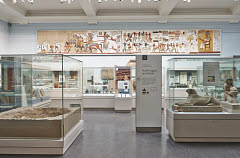
The British Museum houses a broad range of objects from across the globe, including internationally recognised pieces such as the Rosetta Stone and the sculptural fragments associated with the Parthenon. For many visitors the museum provides a unique opportunity to see material that represents diverse civilisations in a single institution. The museum’s model of maintaining a permanent collection while staging temporary exhibitions aims to balance scholarly work with public education.
Repatriation and ethical scrutiny
Repatriation of cultural objects remains a prominent issue for the museum. Requests from countries of origin and advocacy by communities have placed questions of provenance, legal ownership and moral responsibility at the centre of public debate. These discussions involve legal frameworks, diplomatic dialogue and museum policy, and they influence how institutions approach loans, long‑term loans and returns of items when requests are accepted.
Digital outreach and future audiences
Like many major museums, the British Museum has been developing digital resources to broaden access beyond physical visits. Digitisation of collections, online catalogues and virtual programming are part of a wider effort to reach international audiences, support research and provide educational materials to schools and the public. Such initiatives also shape expectations about transparency and availability of collection information.
Conclusion: Significance and outlook
The British Museum continues to play a central role in conversations about cultural heritage, public access and institutional responsibility. Ongoing debates over provenance and repatriation, together with expanding digital outreach, will likely define how the museum evolves in the coming years. For readers, these developments highlight wider questions about who stewards history and how global audiences can engage with shared cultural legacies.