Thames Water: Addressing Current Challenges in Water Supply
Introduction
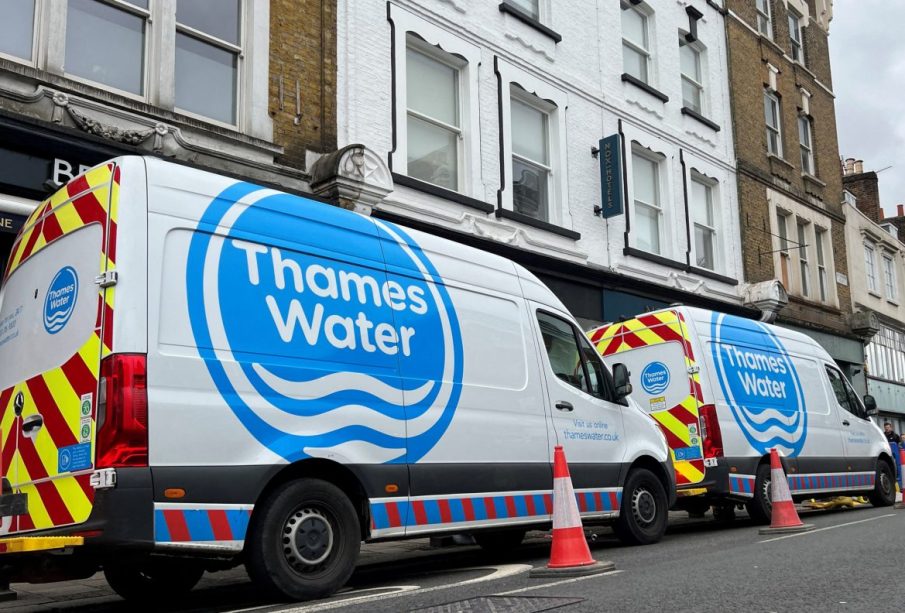
Thames Water, the UK’s largest water and wastewater services company, serves around 15 million customers in London and the Thames Valley. The recent challenges faced by Thames Water are particularly significant as they pose risks to the essential services provided to the public. As climate change affects water resources and infrastructure ages, the importance of effective management in the water supply and wastewater systems becomes critical.
Current Challenges
Thames Water has come under scrutiny due to a range of operational issues, including leaks, sewage discharges into rivers, and the ongoing threat posed by climate change. A report by the Consumer Council for Water highlighted that approximately 25% of the water Thames Water produces is lost through leaks, equating to nearly 600 million litres daily. This significant water loss exacerbates the strain on already limited resources, particularly during dry periods.
Moreover, outfalls from the sewage system have led to environmental concerns, with pollution events reported in the River Thames and other waterways. Campaign groups have raised alarms over the ecological impacts, leading to public outcry and pressures on Thames Water to improve infrastructure and practices.
Response and Initiatives
In response to these challenges, Thames Water has announced a £1.6 billion investment plan aimed at repairing and upgrading its infrastructure over the next five years. This plan will focus on reducing leaks, improving its sewage treatment facilities, and enhancing resilience against climate impacts. The company also reports ongoing efforts to embrace technology, such as employing smart meters and leak-detection systems to monitor and manage the water supply better.
Additionally, Thames Water has committed to working collaboratively with local authorities and environmental groups to address concerns. The company is engaging in public discourse about environmental stewardship and is looking for innovative solutions to reduce its carbon footprint while maintaining reliable service.
Conclusion
The challenges faced by Thames Water underscore the importance of sustainable water management approaches. As the company moves forward with its ambitious investment strategy, the effectiveness of these initiatives will be crucial in safeguarding not only the water supply for millions but also the health of the surrounding ecosystems. Continued public interest and regulatory oversight will likely play a significant role in determining the outcomes of Thames Water’s current plans. The path forward will require transparency, innovation, and commitment to environmental responsibility to ensure a reliable and safe water supply for future generations.


