Strictly Come Dancing: Why the show still matters
Introduction
Strictly Come Dancing is one of the BBC’s most recognisable entertainment programmes, combining celebrity appeal, professional choreography and live competition. Its blend of performance and public voting has made it a cultural fixture in the UK television calendar. The show’s continued popularity matters not only for viewers seeking light entertainment but also for the careers it boosts, the dances it revives and the wider creative industries it supports.
Main body
Format and production
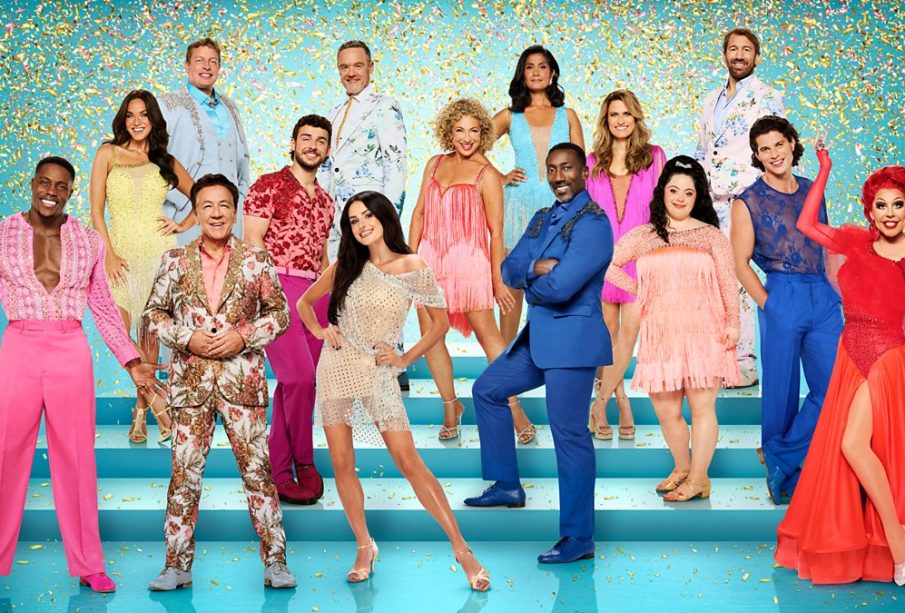
Strictly pairs celebrities with professional dancers for a televised ballroom and Latin dance competition. Each week couples perform choreographed routines, receive marks and feedback from a panel of judges, and face the public vote. The title nods to both the film Strictly Ballroom and the BBC’s historic ballroom show Come Dancing, emphasising its roots in popular dance culture. The programme typically runs as an autumn series, with live shows broadcast from a studio and occasional special episodes and live tours following the televised series.
Key contributors
The show’s format relies on a mix of on-air personalities: hosts who steer the live transmission, professional dancers who craft routines, guest performers who add variety and judges who provide critique. Over the years, a small group of judges and hosts have become synonymous with the programme, contributing to its identity and continuity. Production values—lighting, music choices, costume design and staging—play a major role in turning routines into television moments that generate headlines and social-media conversation.
Impact and audience response
Strictly regularly delivers strong viewing figures and broad demographic reach, from dedicated fans to casual viewers drawn by individual performances. For many contestants the show provides a high-profile platform, often leading to further stage, TV or presenting work. The series also fuels a national interest in ballroom and Latin dance, with dance schools reporting increased enrolments and touring productions reaching regional theatres.
Conclusion
Strictly Come Dancing remains a resilient part of the UK entertainment landscape. Its mix of live spectacle, competitive drama and public participation ensures it continues to attract attention each series. Looking ahead, the programme is likely to evolve with changes to casting, digital engagement and special events, but its core format—celebrity partners, professional choreography and a live audience vote—looks set to remain central to its appeal.