Straits of Hormuz: Geography, Risks and Recent Closures
Introduction: Why the Straits of Hormuz matter
The straits of hormuz occupy a central role in global maritime trade and energy security. As a narrow channel linking the Persian Gulf to the Gulf of Oman, the waterway is a principal route for crude oil and liquefied natural gas (LNG). Recent state actions and military drills have underscored the strait’s vulnerability to geopolitical tensions, making its geography and operational constraints of direct relevance to governments, industry and consumers.
Main body: Geography, traffic and recent events
Geography and navigation
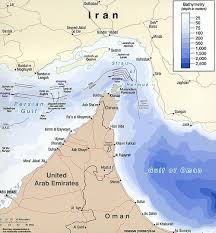
The Strait of Hormuz lies between Iran and the Omani Musandam Peninsula. Estimates of its narrowest width vary in public sources, with figures roughly 21 to 30 miles. Commercial traffic generally follows a designated Traffic Separation Scheme (TSS) north of the Musandam Peninsula, and large ships can also use an Inshore Traffic Zone south of the Omani island of Didimar. Bathymetry maps show areas where depth is less than 25 metres are labelled “unsafe” for fully laden supertankers; such tankers can have drafts of about 20–25 metres, limiting movement in shallower channels. The strait contains eight major islands, seven of which are controlled by Iran, adding further navigational and jurisdictional complexity.
Energy flows and security implications
US government estimates indicate roughly one-fifth of the world’s crude oil and about one-quarter of global LNG transit the strait. That makes any disruption potentially significant for international energy markets. In February 2026, escalating tensions between the United States and Iran prompted Iran to temporarily shut the strait to conduct live-fire drills while its Foreign Affairs Minister, Abbas Araghchi, travelled to Geneva for nuclear talks. Media reports also noted pauses to oil shipments during the closure, underlining the immediate commercial impact.
Conclusion: Significance and outlook
While industry analysts cited in public reporting consider a prolonged, total closure unlikely, the strait remains a flash point where bilateral tensions can rapidly affect global energy deliveries. For readers, the key takeaway is that the straits of hormuz combine geographic constraints, heavy energy traffic and geopolitical rivalry—factors that mean even temporary incidents can ripple through markets and maritime operations. Continued monitoring of diplomatic developments, naval movements and navigational advisories will be important for policymakers, shippers and energy consumers alike.


