Spain train crashes: multiple collisions on national rail network
Introduction: Why Spain train crashes matter
The recent spate of rail accidents in Spain has prompted national shock and urgent questions about safety on the country’s rail network. With high-speed services central to travel between major cities, collisions that result in multiple deaths and many injuries have wide relevance for commuters, emergency services and transport authorities. Accurate, evolving reporting of casualty figures is crucial as rescue teams continue work at the scenes.
Main body: What has happened
High-speed collision near Adamuz
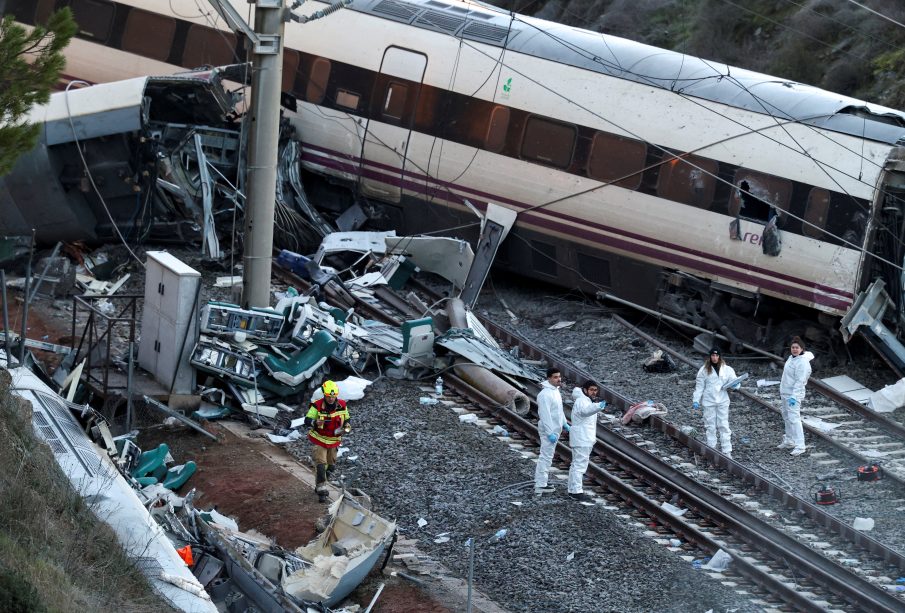
One of the most serious incidents occurred on the main Málaga–Madrid line near Adamuz in Córdoba province. According to operator Adif, the IRVO 6189 train departed Málaga and, about ten minutes after leaving at 18:40 local time (17:40 GMT), derailed on a straight stretch of track before colliding with a second train travelling from Madrid to Huelva on the adjacent line.
Early reports varied as rescue operations unfolded. An initial BBC breaking bulletin reported at least 10 dead and around 100 injured, with 25 in serious condition. Subsequent official statements and Civil Guard updates increased the reported toll: later coverage said at least 39 people had died, with some reports indicating the death toll rose to 40. Operators said the two trains together carried roughly 400 passengers and staff; the private operator Iryo said about 300 people were aboard the derailed service, while the Renfe-operated train had about 100 on board.
Witnesses and officials described severe carriage damage: the force of the collision pushed some carriages into an embankment. Rescue workers have been searching wreckage for survivors and recovering victims.
Second, separate commuter crash in Catalonia
In a separate incident, a commuter train crash in the Catalonia region near Gelida killed one person — a conductor in training — and injured 37, leading regional authorities to suspend local commuter services. The Catalonia crash occurred about 800 kilometres from the southern high-speed collision and came as emergency teams were still working in Andalucía.
Conclusion: Aftermath, investigations and significance
Spain now faces both immediate humanitarian needs and a longer investigation into causes. Unions have urged strengthened safety measures on high-speed lines, and authorities including Adif and the Civil Guard are expected to lead formal inquiries. The crashes revive memories of Spain’s worst recent high-speed derailment in Galicia in 2013, and could prompt reviews of operational protocols, infrastructure oversight and emergency response across the rail network. For readers, the incidents underscore ongoing risks in rail travel and the potential for policy and safety changes as investigations progress.


