South Korea: Geography, Population and Modern Snapshot
Introduction: Why South Korea Matters
South Korea, officially the Republic of Korea (ROK), is a compact yet densely populated country on the Korean Peninsula. Its geography, long history and economic strength make developments there relevant for regional stability, trade and cultural exchange. Understanding South Korea’s physical landscape, demographic pressures and historical context helps readers appreciate its current role in East Asia.
Geography, Climate and Environment
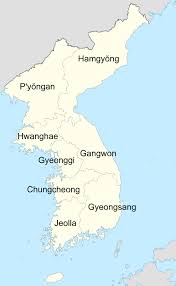
South Korea occupies roughly 45 percent of the Korean Peninsula’s land area. It is bordered to the north by the Democratic People’s Republic of Korea (North Korea), to the east by the East Sea (Sea of Japan), to the south by the East China Sea, and to the west by the Yellow Sea. To the southeast, it is separated from Japan’s island of Tsushima by the Korea Strait. The Taebaek Mountains run north–south along the eastern coast and extend into North Korea, forming the country’s drainage divide. Three principal rivers — the Han, Geum and Nakdong — originate in the Taebaek range and flow through lowland plains to the sea. The climate features cold, relatively dry winters and hot, humid summers.
Population, Settlement and Administration
South Korea is a densely settled nation, with about 499 citizens per square kilometre (roughly 1,294 per square mile). High density shapes urban life and demand for space, evident in crowded outdoor markets and busy metropolitan areas. Administratively, the country is organised into regions, provinces and special or metropolitan cities, reflecting a mix of local and central governance structures.
History, Identity and Economy
People have lived on the Korean Peninsula for at least 10,000 years. The modern division into North and South Korea followed events at the end of the Second World War, when Japan’s territories, including Korea, came under Allied administration. Today, while the peninsula remains divided, many citizens view Korea as a single nation culturally and historically. The Republic of Korea has developed into one of Eastern Asia’s stronger economies.
Conclusion: Significance and Outlook
South Korea’s combination of strategic geography, dense population, distinct seasons and deep historical roots gives it an outsized regional role. Ongoing pressures from urban density, the reality of a divided peninsula and the country’s economic standing will continue to shape policy and daily life. For readers, South Korea remains a focal point for understanding East Asian geography, society and regional dynamics.


