Snowboard: What to Know About the Sport, Safety and Future
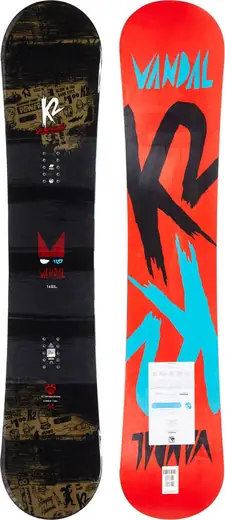
Introduction: Why the snowboard matters
Snowboarding has grown from a niche pastime to a mainstream winter sport with international competitions, Olympic recognition and a vibrant recreational scene. Its importance spans health and leisure, mountain economies and youth culture. For readers planning a winter trip, taking up a new sport or following winter sports events, understanding the essentials of the snowboard — from disciplines and equipment to safety and environmental pressures — is increasingly relevant.
Main body: Disciplines, equipment and current trends
Disciplines and competitive scene
Snowboarding entered the Winter Olympic Games in 1998 and now features disciplines such as halfpipe, slopestyle, snowboard cross and parallel giant slalom. Each discipline places different demands on technique and equipment: freestyle events favour flexible boards for tricks, while alpine-style racing uses stiffer, longer boards for edge control and speed.
Equipment and technology
Modern boards vary by shape, flex and profile (camber, rocker and hybrid designs) to suit conditions and riding styles. Bindings and boots influence control and comfort, while helmets and impact protection are widely recommended. Advances in materials and manufacturing have improved performance and durability, and rental options make the sport accessible to beginners.
Safety and access
Injury prevention remains a priority: helmets significantly reduce head injury risk, wrist guards help beginners, and proper instruction shortens the learning curve. Avalanche awareness is critical for off-piste riding; many mountain regions offer companion rescue training and guidance. To extend the season and provide year-round practice, indoor snow centres and dry slopes offer controlled environments for lessons and training.
Environmental and economic context
Climate change is affecting snow reliability at lower elevations, prompting resorts to invest in snow-making, diversify summer attractions and shift operational focus to higher-altitude venues. The snowboard industry and mountain economies are adapting through sustainability measures and technological innovation.
Conclusion: Outlook and takeaways for readers
The snowboard is likely to remain popular as equipment evolves, indoor facilities expand and competitions draw audiences. For prospective riders, the priorities are basic lessons, appropriate gear and attention to mountain safety. For communities and policymakers, balancing tourism, environmental resilience and safety training will shape the sport’s future. Whether as a hobby or a competitive pursuit, snowboarding offers dynamic recreational opportunities — but demands responsible practice and awareness of changing mountain conditions.


