Snow Moon Full Moon: February’s Lunar Peak and Tradition
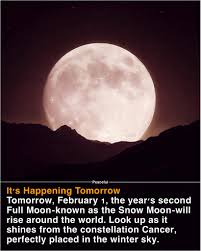
Introduction: Why the Snow Moon Full Moon Matters
The Snow Moon full moon is the name traditionally given to the full moon in February. It carries seasonal and cultural significance across the Northern Hemisphere, where February often brings abundant snowfall. Understanding the timing and traditional names of this lunar event helps readers plan viewing and appreciate the cultural context behind the name, such as alternative Native American names like the Hungry Moon.
Main details and timing
What the name means
The term Snow Moon refers specifically to the full moon that occurs in February. It was named for the typically heavy snows that fall in many parts of the Northern Hemisphere at that time of year. Some North American tribes also referred to February’s full moon as the Hungry Moon, reflecting seasonal scarcity before spring’s renewal.
Key dates and peak illumination
For 2026, the Snow Moon reached its peak illumination on Sunday, 1 February 2026, at 5:09 p.m. EST. Observers in other time zones can convert this moment to their local time to determine the exact peak of fullness. According to available information, the next Snow Moon after 2026 will occur on 20 February 2027 at 23:23 GMT, underscoring the annual rhythm of lunar phases and their calendar placement.
Viewing notes and cultural context
While the Snow Moon’s naming reflects winter conditions in the Northern Hemisphere, different cultures have used different names and associations for the February full moon. These traditional names offer insight into seasonal activities and historical patterns of weather and food availability. Knowing the precise moment of peak illumination can help enthusiasts, photographers and educators plan observations or events around the lunar display.
Conclusion: Significance for readers
The Snow Moon full moon is both a predictable astronomical event and a marker of seasonal tradition. The 2026 peak on 1 February 2026 at 5:09 p.m. EST and the subsequent occurrence on 20 February 2027 at 23:23 GMT provide concrete dates for planning. For readers, the Snow Moon offers an opportunity to connect with natural cycles and cultural histories tied to winter in the Northern Hemisphere.


