Skeleton at the Winter Olympics: What to Know
Introduction: Why skeleton matters at the Winter Olympics
Skeleton is one of the Winter Olympics’ most visceral and compact sports, combining speed, skill and split‑second precision. Its relevance lies in both its spectator appeal and its demonstration of athletic bravery: competitors race head‑first down iced tracks on small sleds, often at speeds reaching around 130 km/h. As the sport continues to feature prominently on the Olympic programme, it offers insight into advances in training, equipment and track technology that influence winter sliding sports more widely.
Main body: Background, format and key facts
History and Olympic status
Skeleton has a distinctive Olympic history. It was first contested at the Winter Games in St Moritz in 1928 and again in 1948, and after a long absence it was reintroduced as a permanent Olympic discipline at Salt Lake City in 2002. Since that time, men’s and women’s singles have been the core Olympic events.
How the sport works
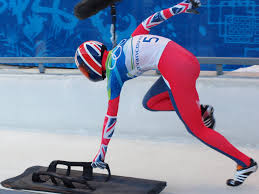
Competitors ride a small, rigid sled in a prone, head‑first position, steering through subtle shifts of body weight and shoulder pressure. Races are run on the same refrigerated tracks used for bobsleigh and luge; results are decided by aggregate time over multiple runs, with margins often measured in hundredths of a second. The International Bobsleigh and Skeleton Federation (IBSF) governs rules, safety standards and international competition schedules.
Competitiveness and nations
Skeleton attracts specialist athletes from a range of winter‑sport nations. Countries with strong winter sliding traditions, including Germany, Great Britain, Canada and Latvia, frequently contest podium positions, supported by national training programmes, track access and technological development in sled design and protective equipment.
Conclusion: Significance and outlook
As television and digital coverage of winter sport evolve, skeleton’s short, dramatic runs remain highly watchable and accessible for new audiences. Looking ahead, the sport is likely to see incremental gains from improved athlete conditioning, sled engineering and safety measures, while continuing to test the limits of speed and precision on ice. For viewers and aspiring athletes alike, the skeleton at the Winter Olympics will remain a focal point for excitement and technical innovation in sliding sports.


