Sicily Today: Tourism, Economy and Environmental Outlook
Introduction: Why Sicily matters now
Sicily remains a focal point for culture, tourism and regional economics in the central Mediterranean. As the largest Mediterranean island, it attracts millions of visitors, hosts significant agricultural production and contains major historical and natural landmarks. Developments on the island — from visitor numbers to environmental pressures — have direct consequences for local communities and for wider Mediterranean policy discussions on migration, climate adaptation and heritage protection.
Main developments and current facts
Tourism and culture
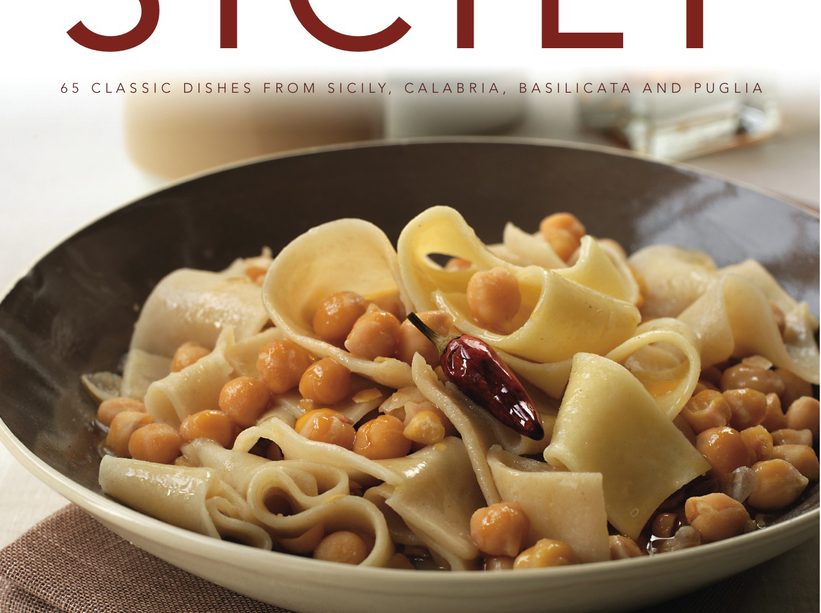
Tourism is a primary driver of Sicily’s economy, with its ancient Greek temples, Norman palaces, baroque towns and vibrant urban centres drawing international and domestic travellers. Cities such as Palermo and Catania serve as cultural and transport hubs, while smaller towns and coastal resorts benefit from seasonal peaks in visitors. Cultural festivals and gastronomy, including regional cuisine and wine, continue to be important draws.
Natural environment and risks
Sicily’s landscape is diverse, from fertile plains to the slopes of Mount Etna, one of Europe’s most active volcanoes. That diversity supports distinct agricultural sectors — olives, citrus fruits, grapes and other crops — but also exposes the island to seismic and volcanic risks. In recent years, Mediterranean-wide trends such as higher temperatures and greater incidence of extreme weather have increased concerns about water stress, wildfire risk and impacts on crop yields and tourism seasons.
Socioeconomic challenges
Alongside tourism and agriculture, Sicily faces longer-term structural challenges, including demographic change, regional economic disparities and the need to modernise infrastructure. Migration across the central Mediterranean continues to be a complex issue for regional authorities, requiring coordination on reception, integration and humanitarian support.
Conclusion: Outlook and significance for readers
Looking ahead, Sicily’s prospects will depend on balancing tourism growth with environmental sustainability and heritage conservation. Investment in resilient infrastructure, disaster preparedness and sustainable tourism practices can help safeguard the island’s economy and cultural assets. For travellers and residents alike, the island’s evolving situation underscores the importance of responsible visitation, support for local communities and awareness of environmental pressures affecting the Mediterranean region.