Shaun White: Legacy of a Snowboarding Icon
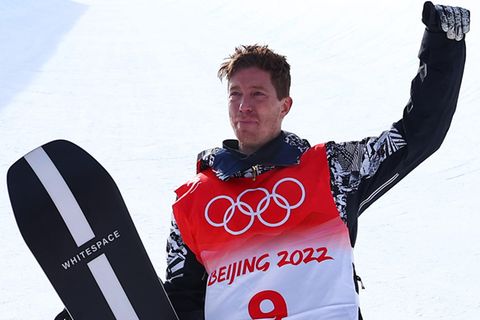
Introduction — Why Shaun White matters
Shaun White is one of the most recognisable names in winter sport. A three-time Olympic gold medallist in the halfpipe, White helped bring snowboarding from subculture to mainstream sport, influencing technique, equipment design and youth participation worldwide. His career achievements and public profile make developments around him relevant to fans, athletes and the winter-sport industry.
Main body — Career highlights and recent activity
Early life and rise
Born on 3 September 1986 in San Diego, California, Shaun Roger White earned the nickname “The Flying Tomato” for his red hair and bold style. He began competing as a teenager and quickly rose through the ranks, becoming one of snowboarding’s most dominant figures.
Olympic success and competition record
White won Olympic halfpipe gold in 2006 (Turin), 2010 (Vancouver) and 2018 (Pyeongchang), where his winning final run scored 97.75 points. Those victories cemented his status as a defining athlete in the discipline. He also accumulated numerous medals at the X Games and professional events, setting trends in trick progression and run composition.
Beijing 2022 and recent years
At the 2022 Beijing Olympics White returned for another shot at gold and finished fourth in the men’s halfpipe. While he did not add another Olympic medal, his continued presence at the highest level underlined both his longevity and the sport’s competitive evolution, with younger riders pushing technical boundaries.
Beyond competition
Outside contest results, White has been involved in skateboarding, product collaborations and media projects. His profile helped broaden the appeal of snowboarding, attracting sponsorship and attention that fed growth in participation and event coverage.
Conclusion — Legacy and outlook
Shaun White’s influence extends beyond podiums: he helped professionalise snowboarding, inspired a generation of riders and raised the sport’s global profile. As he transitions from elite competition, his likely continued roles — as ambassador, entrepreneur or mentor — will shape snowboarding’s next chapter. For readers, his story is a reminder of how individual athletes can transform a sport and its culture, and how legacy often matters as much as titles.

