Scary Movie: How the 2000 Parody Shaped a Film Series
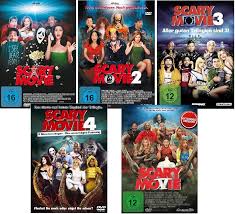
Introduction: Why Scary Movie matters
Scary Movie is a 2000 parody slasher that played a notable role in reviving and popularising spoofs of contemporary horror films. Its approach—blending broad comedy, film references and genre inversion—made it culturally relevant at the turn of the century and turned it into the launch point for a multi-film franchise. Understanding Scary Movie helps explain how parody entered mainstream American cinema and influenced subsequent genre-comedy hybrids.
Main details
Production and release
Scary Movie was directed by Keenen Ivory Wayans and released in the United States by Dimension Films, then a subsidiary label of Miramax Films, on 7 July 2000. The screenplay credits include Marlon and Shawn Wayans, who also star, alongside Buddy Johnson, Phil Beauman, Jason Friedberg and Aaron Seltzer. This collaborative writing and performing team shaped the film’s irreverent tone and pop-culture references.
Plot and cast
The film’s central premise follows a group of teenagers who, a year after disposing of the body of a man they accidentally killed, are stalked by a bumbling serial killer. The ensemble cast features Marlon Wayans and Shawn Wayans with supporting turns from Carmen Electra, Shannon Elizabeth, Lochlyn Munro and Dave Sheridan. The combination of established and rising performers contributed to the film’s broad comic appeal.
Parodies and reception
Scary Movie explicitly parodies prominent late-1990s horror titles, with its main targets identified as Scream (1996) and I Know What You Did Last Summer (1997). Reviews and audience reactions noted the film’s reliance on direct references and slapstick, and sources such as IMDb and Wikipedia record its position as an amusing, clever take on horror conventions. The film’s success spawned a series that continued to lampoon horror and popular film moments.
Conclusion: Significance and outlook
Scary Movie established a template for large-scale horror parody and launched a film series that extended the concept through multiple sequels. According to available records, the second film was also directed by a Wayans, while later instalments in the franchise were directed by Zucker and by Malcolm D. The original film’s influence remains significant for readers interested in genre comedy, film parody and early-2000s popular culture: it demonstrates how satire of contemporary titles can become a commercial and cultural phenomenon in its own right.





