Rugby World Cup: History, Format and Global Impact
Introduction — Why the Rugby World Cup Matters
The Rugby World Cup is rugby union’s premier international tournament and one of the sport’s most important global events. Held every four years and organised by World Rugby, the competition brings together national teams from across the world to contest the Webb Ellis Cup. Its importance extends beyond sport: the tournament shapes national pride, drives tourism and broadcasting revenue, and influences the professional game’s calendar and player welfare debates.
Main body — History, format and key features
Origins and development
The first Rugby World Cup took place in 1987. Since then the tournament has evolved in scale and profile, growing into a major global spectacle watched by millions. Over successive editions the competition introduced a formal qualification process so teams earn places via regional competitions, cross-regional playoffs and performances in prior tournaments.
Structure and competition
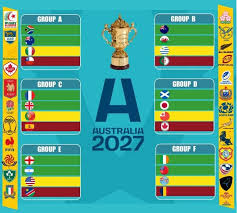
The modern Rugby World Cup typically features a pool stage followed by knockout rounds. Teams are grouped in pools for round-robin matches, with the top sides progressing to quarter-finals, semi-finals and the final. The tournament format encourages intense international rivalries and high-stakes matches that often define eras in the sport.
Global reach and significance
The Rugby World Cup attracts broad international attention from fans, broadcasters and sponsors. Host nations receive an economic boost from visiting supporters and associated events, and the tournament frequently acts as a catalyst for investment into grassroots rugby and stadium infrastructure. It also raises strategic questions for unions and organisers about player workload, competition scheduling and the balance between club and international commitments.
Conclusion — What the Rugby World Cup means for the future
The Rugby World Cup remains central to rugby union’s calendar and identity. Looking ahead, the tournament is likely to retain its role as a driver of growth and visibility for the sport, while discussions continue around expansion, competitive balance and player welfare. For fans and national teams alike, the Rugby World Cup provides a definitive stage where sporting achievement, national pride and the future direction of rugby converge.
