Responding to a measles outbreak: what you need to know
Introduction: why a measles outbreak matters
A measles outbreak is a serious public‑health event. Measles is highly contagious and can spread rapidly in communities with gaps in vaccination. Because the disease can cause severe complications — particularly in infants, pregnant people and the immunocompromised — timely information, vaccination and coordinated public‑health action are essential to limit transmission and protect vulnerable groups.
Main body: facts, risks and typical public‑health actions
How measles spreads and who is at risk
Measles is one of the most transmissible infectious diseases, with an estimated reproductive number (R0) commonly cited between 12 and 18. The virus is spread by respiratory droplets and can remain infectious in the air or on surfaces for up to two hours. People are typically infectious from about four days before to four days after the appearance of the characteristic rash. The incubation period is usually 10–14 days.
Symptoms and complications
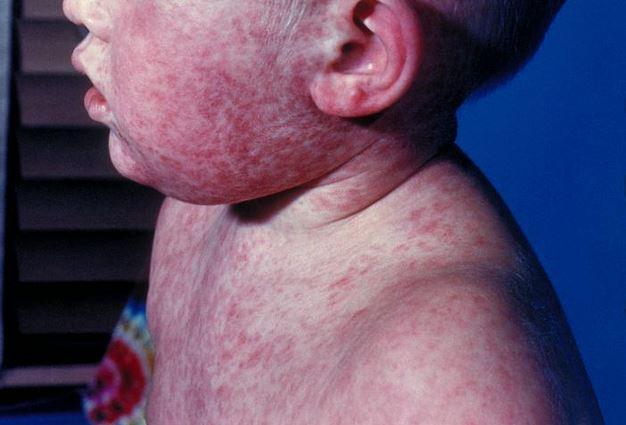
Initial symptoms include fever, cough, runny nose and red, watery eyes, followed by a rash that usually begins on the face and spreads. Koplik spots (tiny white spots inside the mouth) may appear before the rash. Complications can include pneumonia, severe dehydration and, rarely, encephalitis; these risks are greater for very young children, older adults and those with weakened immune systems.
Prevention and control measures
The most effective protection is vaccination with the measles‑mumps‑rubella (MMR) vaccine. One dose provides high protection; two doses raise effectiveness to around 97%. Public‑health responses to an outbreak commonly include contact tracing, targeted vaccination campaigns or catch‑up programmes, temporary exclusions from schools or childcare settings for non‑immune individuals, public information campaigns and advice to clinicians to test and report suspected cases promptly.
Conclusion: what readers should do and what to expect
During an outbreak, readers should check their vaccination records and seek MMR vaccination if not fully immunised, follow guidance from local health authorities, and isolate and seek care if symptoms develop. Expect intensified public‑health activity: testing, notifications, and potentially targeted vaccination drives. Maintaining high vaccination coverage is the most reliable way to prevent future outbreaks and protect those most at risk.