Republic Day India: 26 January and the Adoption of the Constitution
Introduction
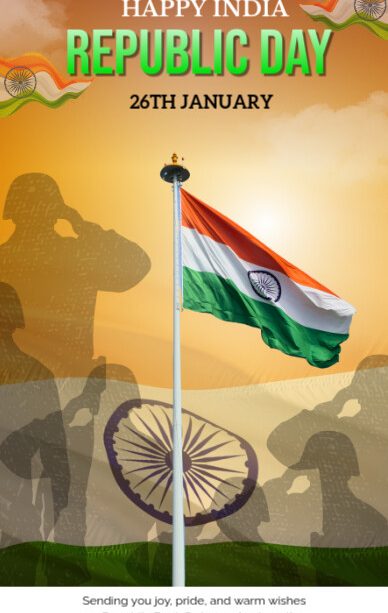
Republic Day India is one of the country’s principal national days, observed each year on 26 January. The day marks the coming into force of the Constitution of the Republic of India on 26 January 1950, completing the nation’s transition to a republic. Its significance extends beyond a commemorative date: it is a public focus on constitutional democracy, national identity and civic responsibilities, observed across government, civic organisations and communities.
Main details
Historical significance
Republic Day commemorates the formal adoption of the Constitution of India on 26 January 1950. That date was chosen to mark the completion of the legal and constitutional transition from colonial rule to a sovereign republic. The constitution granted citizens of India new powers and established the legal framework for governance, rights and duties under a republican system.
Contemporary observances
The day is a gazetted national holiday in India, observed annually on 26 January, with authorities and calendars listing it as a public holiday for citizens and officials. Timeanddate and other calendar services list Republic Day as a gazetted holiday in successive years, underlining its continuing place in official schedules.
Public commemoration commonly includes parades, political speeches, cultural events and ceremonies. These events take place at national and local levels and are accompanied by a range of private and community activities celebrating India’s history, government and traditions. On the eve of Republic Day, the President of India traditionally addresses the nation and distributes civilian Padma Awards, ceremonies that underscore the constitutional and civic dimensions of the celebration. Records and compilations also note the tradition of inviting foreign dignitaries as chief guests at Republic Day parades; lists of chief guests have been maintained for historical reference.
Conclusion
Republic Day India remains a central annual observance that ties contemporary civic life to the founding constitutional moment of 1950. As a gazetted holiday marked by official ceremonies, awards and public celebrations, it reinforces the values and institutions of the republic for citizens and residents. For readers, the day is both a reminder of constitutional foundations and an occasion to reflect on civic participation and national traditions in the years ahead.