Remembering the Hillsborough Disaster: Lessons Learned
Introduction
The Hillsborough disaster, which occurred on 15 April 1989, is one of the most tragic incidents in British sports history, claiming the lives of 96 Liverpool FC fans. This disaster not only prompted changes in the football safety regulations but also left an indelible mark on the Liverpool community and the nation as a whole. Unlike any other event, it highlighted the vulnerabilities of overcrowding and poor stadium management, underscoring the critical need for reform in the safety of public venues.
The Events of that Fateful Day
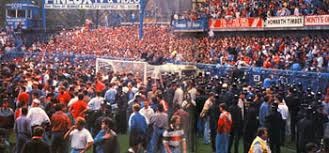
On that terrible day during an FA Cup semi-final match between Liverpool and Nottingham Forest at Hillsborough Stadium in Sheffield, overcrowding in the standing areas of the Leppings Lane end led to a crush. Initial mismanagement by police, who opened a gate to relieve pressure outside the stadium, exacerbated the situation. As thousands poured into the already congested stands, panic ensued. The disaster resulted in 96 supporters losing their lives, with hundreds more injured.
Aftermath and its Impact
The fallout from the Hillsborough disaster was monumental. Investigations revealed numerous failures regarding crowd management and safety protocols. In the years that followed, families and survivors fought tirelessly for justice, culminating in the 2016 inquest verdict, which ruled the 96 deaths as unlawful killings due to gross negligence. This verdict led to public apologies from South Yorkshire Police and the establishment of a more robust framework for stadium safety.
Modern Commemorations and Significance
Each year, memorials take place to commemorate the victims, with the anthem ‘You’ll Never Walk Alone’ echoing through Anfield as a powerful reminder of community unity and resilience in the face of tragedy. The Hillsborough disaster became a catalyst for key reforms in football safety, leading to the introduction of all-seater stadiums, improved crowd management, and comprehensive safety legislation in the UK.
Conclusion
As we look back on the Hillsborough disaster, it serves not only as a somber memory but also as a reminder of the ongoing importance of crowd safety in sporting events. The legacy of the victims continues to influence policies and practices, ensuring safer environments for all supporters. It is crucial that we remember those who lost their lives and strive to learn from the past to prevent such tragedies from occurring again.

