Recognising Early Onset Bowel Cancer Symptoms: What to Watch For
Why recognising early onset bowel cancer symptoms matters
Bowel cancer (colorectal cancer) is commonly associated with older adults, but cases are increasingly being diagnosed in people under 50. Early detection improves treatment options and outcomes, so understanding the typical symptoms and seeking timely medical advice is important for anyone who notices concerning changes.
Main symptoms and what they look like
Changes in bowel habits
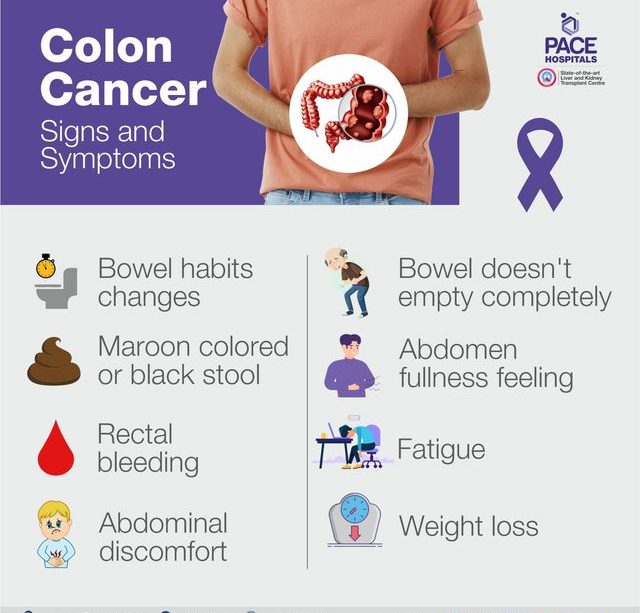
Persistent alteration in bowel habit is a key sign. This can include new, ongoing diarrhoea or constipation, or a noticeable change in stool frequency or consistency that lasts for several weeks.
Blood or mucus in the stool
Visible blood on or in stools, darker (tar-like) stools, or mucus mixed with stool should prompt medical review. While such symptoms often result from haemorrhoids or infections, they can also indicate a growth in the bowel.
Abdominal discomfort and bloating
Cramping, ongoing abdominal pain, or a feeling of fullness or bloating that does not resolve may be linked to a tumour causing partial bowel obstruction.
Unexplained weight loss and fatigue
Unintentional weight loss, persistent tiredness or symptoms of anaemia (such as breathlessness or pale skin) can occur when bleeding is slow and chronic.
Other signs
A sensation of incomplete bowel emptying, narrow or ribbon-like stools, and persistent abdominal discomfort are additional symptoms that warrant assessment.
Diagnosis and next steps
If you experience one or more of these symptoms for several weeks, consult your GP. Primary care clinicians commonly use a clinical history and may arrange a faecal immunochemical test (FIT), blood tests including a full blood count, and—if indicated—referral for colonoscopy or imaging to confirm a diagnosis.
Conclusion: act early, seek advice
Although many causes of these symptoms are benign, early onset bowel cancer is being seen more frequently in younger adults. Timely assessment and investigation increase the chances of successful treatment. If symptoms are persistent or new, contact your GP without delay to ensure appropriate testing and referral.


