Recognising Colon Cancer Symptoms: What to Look For
Introduction
Colon cancer symptoms are an important public‑health topic because early detection greatly improves treatment outcomes. Awareness of typical signs can prompt timely assessment by a GP and appropriate testing through screening programmes or diagnostic pathways. This is relevant to adults of all ages, particularly those with risk factors or persistent changes in bowel habits.
Main body
Common symptoms to notice
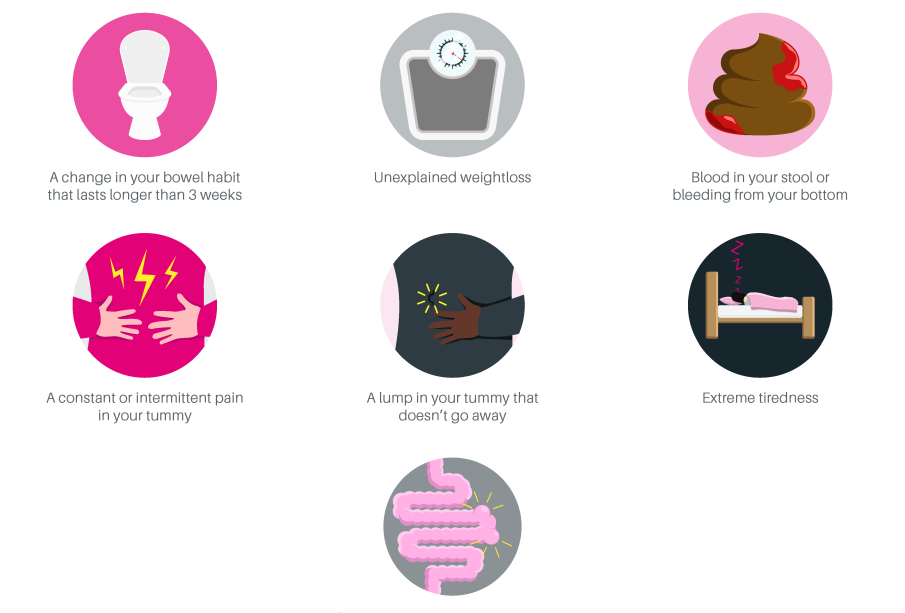
Symptoms of colon cancer can be subtle and develop gradually. Common warning signs include:
- Persistent change in bowel habits, such as diarrhoea, constipation or a change in stool consistency;
- Blood in the stool or rectal bleeding, which may appear bright red or darker;
- Persistent abdominal pain, cramps or discomfort;
- Unexplained weight loss and loss of appetite;
- Ongoing fatigue or symptoms of iron‑deficiency anaemia (paleness, breathlessness);
- A feeling that the bowel does not empty completely; and
- Narrower stools than usual.
Who is at greater risk?
Certain factors increase the likelihood of developing colorectal cancer, including older age, a personal or family history of colorectal cancer or certain polyps, inflammatory bowel disease, and some inherited conditions. Lifestyle factors such as a diet high in red or processed meat, low fibre intake, smoking, heavy alcohol use and obesity are also associated with increased risk.
Assessment and tests
If symptoms persist, GPs may use a faecal immunochemical test (FIT) or refer patients for further investigation, such as colonoscopy or imaging. National screening programmes aim to detect abnormalities before symptoms occur; participation where offered is encouraged because screening can identify early disease or precancerous polyps.
Conclusion
Recognising colon cancer symptoms early is key to prompt diagnosis and more effective treatment. Anyone experiencing persistent or worrying symptoms should seek medical advice rather than waiting. Continued public awareness, participation in screening and timely clinical assessment together improve outcomes and reduce the burden of disease.


