Raspberry Pi: Why the Single-Board Computer Still Matters
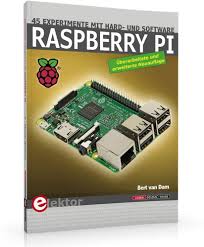
Introduction — why Raspberry Pi is important
Raspberry Pi is a widely recognised name for low-cost, credit-card sized single-board computers. Its importance lies in making computing and physical computing accessible to learners, hobbyists and professionals. As a topic of ongoing relevance, Raspberry Pi sits at the intersection of education, maker culture and small-scale industrial prototyping, offering an entry point to programming, electronics and networked devices.
Main body — uses, community and current relevance
Education and skills development
Raspberry Pi devices are frequently used in classrooms and informal learning settings to introduce coding, computer science concepts and basic electronics. Their affordability and modular nature allow teachers and learners to experiment with programming languages, visual tools and simple circuits without large capital outlay.
Makers, prototyping and hobbyist projects
The Raspberry Pi ecosystem supports a broad range of projects, from media centres and retro gaming to robotics and environmental sensors. Its compatibility with common peripherals and networking features means makers can prototype connected devices and test ideas rapidly. Community-created tutorials and open-source software further lower the barrier to entry.
IoT and small-scale deployments
Because of their size and flexibility, Raspberry Pi computers are also used in small-scale Internet of Things (IoT) applications and proof-of-concept deployments. They enable developers to explore device connectivity, data collection and edge computing concepts without committing to bespoke hardware design.
Community and support
A strong community of users, educators and developers surrounds Raspberry Pi. Forums, project repositories and regional groups provide troubleshooting help, project inspiration and practical guidance for safe and effective use.
Conclusion — outlook and significance for readers
For readers interested in learning to code, building practical projects or experimenting with connected devices, Raspberry Pi remains a practical and accessible option. Its role as an educational tool and rapid prototyping platform means it will likely continue to influence how people acquire digital skills and explore hardware-software ideas. Whether for classroom use, a weekend project or early-stage development, Raspberry Pi offers a straightforward way to engage with computing and electronics.

