Preview: 2026 Winter Olympics Men’s Snowboarding Slopestyle
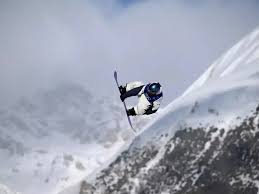
Introduction: Why men’s slopestyle matters at Milan–Cortina 2026
The men’s snowboarding slopestyle event is one of the most watched and technically progressive disciplines at the Winter Olympics. As part of the 2026 Milan–Cortina Games, slopestyle showcases a mix of creativity, aerial skill and rail technique that often influences the broader direction of snowboarding. For athletes, national teams and broadcasters, the event is a barometer of youth development programmes and athletic risk management ahead of global winter-sport calendars.
Main body: Format, conditions and what to expect
Slopestyle at the Olympics is staged on a purpose-built course featuring a series of rails, jumps and transition features designed to reward variety and style as well as technical difficulty. The competition generally involves qualification rounds followed by a final in which competitors take multiple runs and the best-scoring run determines the final placing. Judging focuses on amplitude, difficulty, execution, variety and clean landings.
Held in the Italian Alps as part of the Milan–Cortina 2026 programme, the venue and weather will be an important factor. Variable winter conditions — wind, visibility and snow texture — can affect trick selection and athlete confidence. Organisers typically work to optimise the course and schedule to give riders the fairest possible conditions, but adaptability remains a core skill for medal contenders.
Expect the field to include a mix of established Olympians and emerging talents from nations with strong freestyle programmes. National selection processes and FIS-sanctioned events ahead of the Games shape the final start list, and many athletes will be balancing ambition with a cautious approach to injury prevention as tricks grow in technical complexity.
Conclusion: Significance and what to watch
The men’s slopestyle competition at Milan–Cortina 2026 will be significant both for medal outcomes and for signalling the next wave of technical progression in snowboarding. Fans should watch for clean execution under pressure, inventive use of rails and jump lines, and how athletes manage changing course conditions. The event is likely to influence trick trends and coaching emphases for seasons to come, while offering an accessible, high-drama spectacle for viewers worldwide.