Poundland Stores Closing Down: What You Need to Know
Introduction
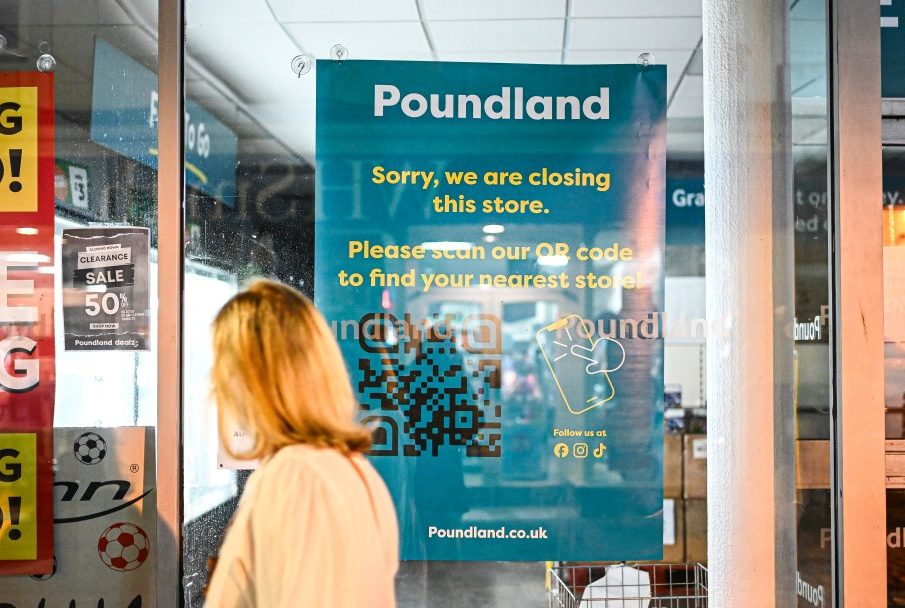
In a surprising turn of events, Poundland, the popular discount retailer in the UK, has announced the closing of several of its stores. This news has raised concerns among shoppers and industry analysts alike, as the retailer has been a staple for affordable goods in communities across the nation. The closures not only impact employment but also signal wider challenges facing the retail sector in the wake of economic pressures.
Details of the Closures
Poundland, owned by Pepco Group, has identified a number of underperforming stores that will be shuttered in the coming months. According to reports, the company aims to streamline operations and cut costs amidst rising operational expenses and shifts in consumer buying habits. The closures will affect stores in various regions including London, Birmingham, and Manchester, with specific locations yet to be officially listed.
As part of a broader strategy, Poundland has been reassessing its market position and exploring ways to enhance profitability. The decision to close stores comes at a time when many retailers are grappling with supply chain disruptions and inflation, which have led to increased prices and reduced footfall in high streets. In the first half of 2023, Poundland reported a decline in sales, mirroring national trends where foot traffic is slow to recover post-pandemic.
Reactions from the Community and Industry
The news of store closures has prompted mixed reactions from the public and industry experts. Many customers express disappointment, fearing the loss of convenient access to low-cost products, especially in less affluent areas where Poundland has been a crucial provider. Local government representatives are also voicing concerns over job losses, as many employees could be affected by the closures.
Industry analysts suggest that while the closures are unfortunate, they are a necessary step for the retailer to adapt to evolving market conditions. There has been a significant trend towards online shopping, and stores like Poundland need to find new ways to engage customers, possibly by enhancing their online presence or diversifying product offerings.
Conclusion
The closures of Poundland stores mark a significant moment in the retail landscape of the UK. As the company works to navigate the complexities of today’s economic environment, it raises important questions about the future of discount retailing and its role in local economies. Shoppers and employees alike will be watching closely to see how Poundland adapts to these challenges and whether it can sustain its presence in the competitive market. The implications of these changes could set precedents for other retailers grappling with similar struggles.