Polar Vortex Weather Forecast: Mid‑February Split and Cold Surge
Introduction
The polar vortex weather forecast has global relevance this winter as recent analyses point to a major stratospheric warming and a subsequent breakdown of the vortex. Such events can steer outbreaks of extreme cold into populated regions. Accurate, timely forecasts are important for authorities, utilities and residents who may face severe cold, disruption and increased energy demand.
Main developments and evidence
Stratospheric warming and an anticipated split
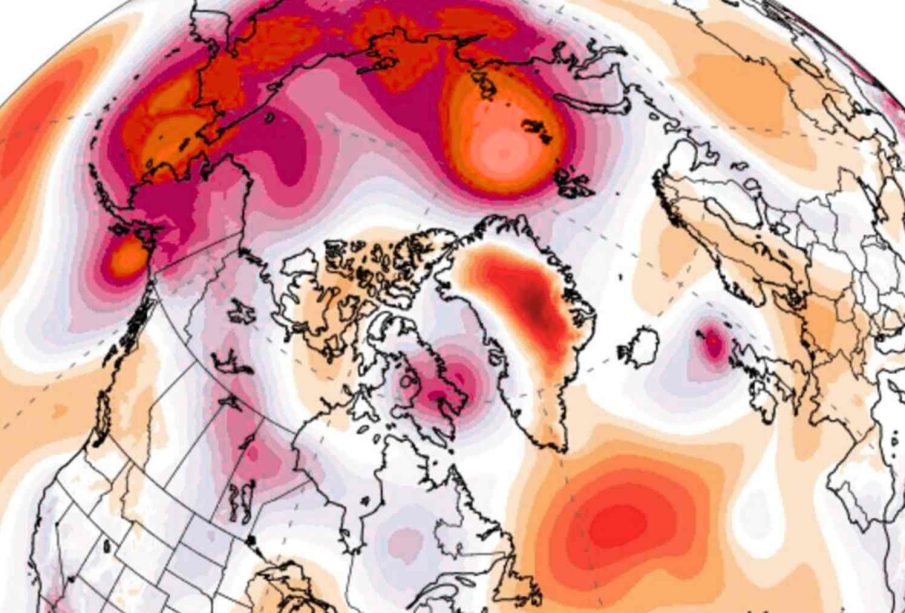
Forecasters have confirmed a significant stratospheric warming event that is expected to precipitate a polar vortex split and collapse in mid‑February. Models and expert commentary indicate the polar circulation will be disturbed enough to produce large‑scale shifts in upper‑air patterns.
Cold impacts for the eastern United States
Media reports and meteorologists have highlighted the likely surface impacts. Washington Post meteorologist Ben Noll noted on X (Jan. 27) that the eastern United States is forecast to be the coldest place, relative to average, on Earth over the following 10 days. Other experts described the expected cold as “extreme” to “historical,” attributing it to the polar vortex’s influence. Long‑range forecasters including AccuWeather’s Paul Pastelok warned that when the vortex “stretches” cold air often funnels down into the central and eastern United States, and another surge of bitter air could arrive around the middle of February.
Timing and outlook
Current reports point to an evolving situation: while some temporary moderation in temperatures is possible, the confirmed stratospheric warming and anticipated vortex split make renewed, significant cold outbreaks more likely through mid‑February. Forecasters emphasise that the exact timing and geographic extent of any surge will depend on how the stratospheric disturbance propagates into the troposphere.
Local context
Not all regions will feel these effects equally. For example, local observations for Harbour Island, Bahamas (2026‑02‑05 02:30 local time) show mild conditions: temperature 22.4°C, partly cloudy, humidity 72%, light SSW winds around 8.9 mph and a feels‑like 24.7°C. These tropical conditions contrast sharply with the cold outbreaks expected across parts of North America.
Conclusion
In summary, the polar vortex weather forecast points to a confirmed stratospheric warming and an anticipated vortex split mid‑February, increasing the likelihood of major cold surges for the central and eastern United States. Residents and agencies in affected regions should monitor updates from national meteorological services, while those in warmer regions can expect to remain largely unaffected by these cold events.