Olympics Games Milano Cortina 2026: Preparations and Importance
Introduction: Why the Olympics Games Milano Cortina 2026 matter
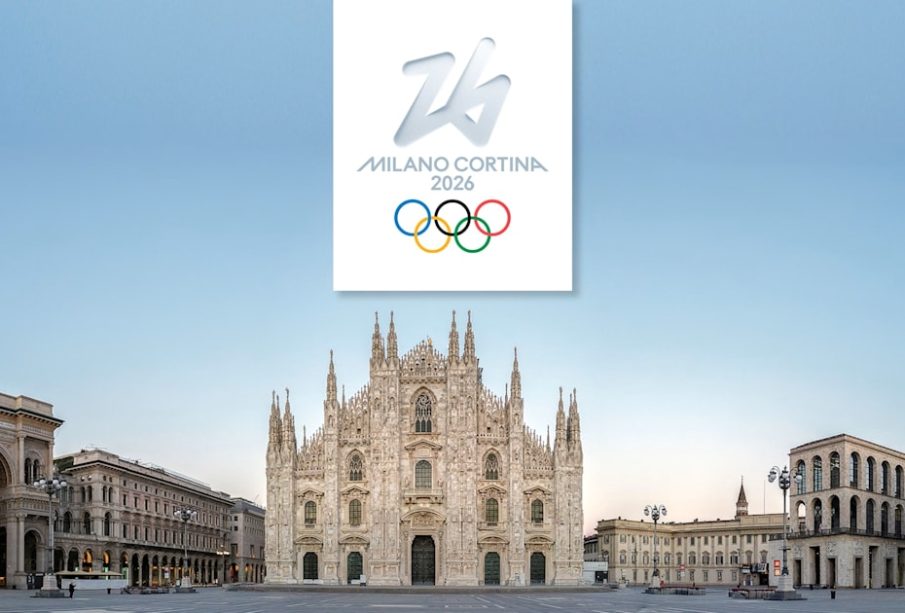
The Olympics Games Milano Cortina 2026 mark a major moment for Italy and the global winter sport calendar. Bringing together urban Milan and the mountain resort of Cortina d’Ampezzo, the Games are important both for sporting fans and for local communities preparing to host athletes, officials and spectators. The event is relevant to national pride, regional infrastructure investment and the longer-term legacy for winter sport participation across Italy.
Main body: Preparations, venues and key facts
Host cities and historical context
The 2026 Winter Olympic Games will be staged under the Milano Cortina banner. The arrangement combines Milan’s transport and accommodation capacity with Cortina’s alpine heritage; Cortina previously hosted the Winter Olympic Games in 1956. The joint bid was chosen to balance urban and mountain venues and to make use of existing facilities where possible.
Organisation and venues
Organisers have focused on using and upgrading existing venues across Lombardy and Veneto to limit environmental impact and cost. Milan is set to host several ice sports and ceremonies, while alpine events will take advantage of the Dolomites around Cortina. Preparations have emphasised transport links between host sites, volunteer recruitment and ensuring accessibility for visitors.
Economic, social and environmental considerations
Local authorities have highlighted expected boosts to tourism and short-term employment during the Games. At the same time, there is attention on delivering lasting benefits: upgrading public transport, improving sports facilities and developing community sports programmes. Environmental management and sustainable planning have been cited as priorities to reduce the carbon footprint of the event.
Conclusion: Outlook and significance for readers
As the countdown to the Olympics Games Milano Cortina 2026 continues, the event promises to showcase winter sport on an international stage while testing Italy’s capacity to host a geographically diverse Games. For readers, the Games offer opportunities to follow elite competition, to engage with cultural events in host cities and to observe how legacy projects might shape local communities after the closing ceremony. Attention will remain on the efficient delivery of venues, transport and sustainable operations as organisers move towards the opening of the 2026 Winter Olympics.