Nipah virus outbreak latest news: Two confirmed cases in West Bengal
Why the Nipah virus update matters
The recent notification of confirmed Nipah virus cases in India has drawn international attention. Even a small number of confirmed infections prompts concern because of the disease’s history of causing sporadic outbreaks in the region. Global and regional health authorities are monitoring developments to assess any wider public-health implications.
Main developments
WHO notification and case details
On 26 January 2026, the India IHR National Focal Point (NFP) notified the World Health Organization (WHO) of two confirmed Nipah virus (NiV) infection cases that occurred in West Bengal State. The notification is the primary source of confirmed information available to date and has triggered surveillance and preparedness actions at national and international levels.
Regional and international response
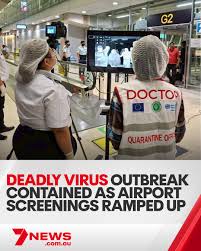
Following the confirmation, countries across Asia, and public-health officials in the United States, are reported to be monitoring the situation and reviewing relevant measures. An expert has warned that the potential outbreak poses a ‘real’ concern, underscoring why vigilance has increased among neighbouring countries and health agencies with global remit.
Historical context
Historically, Nipah virus has been associated with outbreaks in parts of Asia. No new outbreaks have been reported from Malaysia or Singapore since 1999. Outbreaks were detected in India in 2001, indicating that the virus has appeared intermittently in the region over the past decades. This background contributes to the rapid attention given to even a small number of recent confirmed cases.
Conclusion and implications for readers
The WHO notification of two confirmed cases in West Bengal has prompted heightened monitoring by regional and international health authorities. While details remain limited in the initial reports, the history of past outbreaks and the expert warning have led to increased vigilance. Health agencies are likely to issue further updates as investigations proceed; readers should follow guidance from official public-health sources and avoid unverified reports. Continued monitoring and transparent reporting will determine whether these confirmed cases represent a contained incident or the start of a wider public-health event.