NATO Warplanes Scrambled: Understanding the Response
Introduction
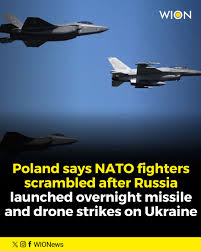
The recent escalation of military tensions in Eastern Europe has led to NATO scrambling warplanes in a show of force and readiness. This development underlines the importance of multinational military collaboration and the alliance’s commitment to collective defence. With increasing geopolitical instability, the rapid response of NATO forces is crucial in maintaining security and deterring potential aggressors.
Details and Events
On October 19, 2023, NATO reported that its fighter jets were dispatched to intercept unidentified aircraft near Baltic airspace, amidst rising concerns over Russian military activities in the region. This incident came after several weeks of heightened surveillance by NATO forces, which indicated an increase in Russian bomber and fighter jet operations close to its member borders.
The deployment involved multi-national forces from various NATO member states, including British, Polish, and American fighter aircraft. The rapid response demonstrates NATO’s operational readiness and commitment to protecting its member nations. This type of mission is not unprecedented; NATO regularly conducts air policing operations and will continue to do so in response to perceived threats.
Geopolitical Context
The backdrop to this incident includes a series of actions by Russia, which many NATO analysts view as provocative. From military exercises in Belarus to increased naval activity in the Black Sea, these movements have raised alarm within the alliance. NATO’s response aims to reassure its Eastern European members, particularly the Baltic states, which feel most vulnerable to potential Russian aggression.
Conclusion
The scrambling of NATO warplanes signifies more than just a military maneuver; it reflects the evolving nature of international relations and the importance of maintaining a strong defence posture in the face of potential threats. As tensions in Eastern Europe continue, NATO’s readiness to deploy forces rapidly will likely play a key role in deterrence strategies. The alliance’s unity and collective response capability may well shape the security landscape in the region for the foreseeable future, proving critical in addressing ongoing military challenges.


