Mick Foley: From Hardcore Icon to Author and Advocate
Introduction: Why Mick Foley Still Matters
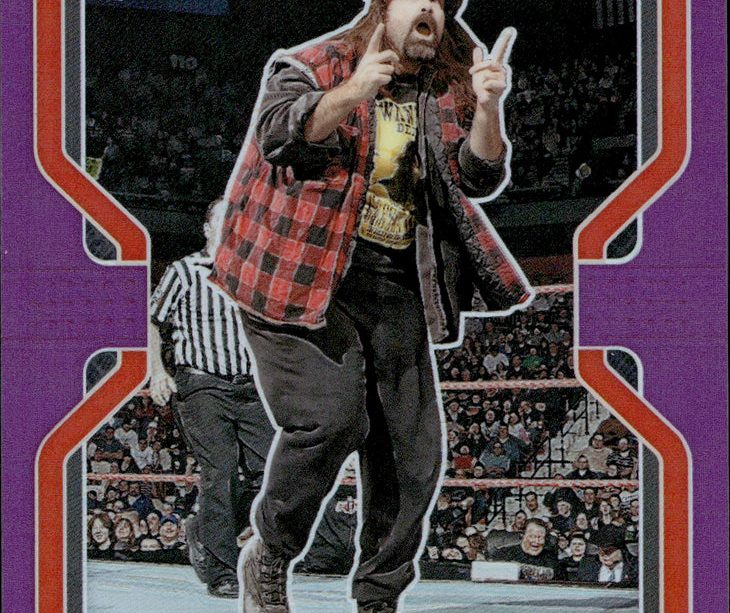
Mick Foley is a name that resonates beyond the squared circle. Best known for his hardcore wrestling personas—Mankind, Cactus Jack and Dude Love—Foley helped redefine extreme professional wrestling in the 1990s. His career is significant not only for high-profile matches and championship wins but for how he translated in-ring notoriety into bestselling books, public speaking and charitable work. That combination keeps his story relevant to sports fans, readers and those interested in resilience and reinvention.
Main body: Career highlights and public contributions
In-ring legacy
Foley rose to prominence in the 1990s with a willingness to undertake extreme physical risk. He is widely remembered for brutal, memorable matches—most famously a Hell in a Cell encounter that produced one of the sport’s most iconic moments. Across his career he became a multi-time world champion and was inducted into the WWE Hall of Fame in 2013, cementing his status among wrestling’s elite.
Author and communicator
Off the mat, Foley established a second career as an author. His memoirs and books, beginning with the bestselling Have a Nice Day, brought candid, vivid storytelling to a mainstream audience and broadened his appeal beyond wrestling fans. He has since written autobiographical works and fiction, and often appears in interviews and at speaking engagements where he discusses career, family and mental resilience.
Public engagement
Foley has also been visible in charity and outreach. He regularly participates in fan events, podcasts and media appearances, using his platform to discuss issues such as safety in sport and the challenges performers face after retirement. These activities keep him connected to successive generations of fans and performers.
Conclusion: Enduring significance and outlook
Mick Foley’s career illustrates how a performer can parlay athletic achievement into sustained cultural relevance. His combination of dramatic in-ring moments, literary success and public advocacy makes him an influential figure in modern wrestling history. Looking ahead, Foley is likely to remain an active voice—through appearances, writing and commentary—helping to shape conversations about athlete welfare, storytelling in sport and the legacy of professional wrestling for new audiences.


