McDonald’s Happy Meal: Ongoing Debate Over Nutrition and Toys
Introduction: Why the Happy Meal matters
The McDonald’s Happy Meal is one of the most recognisable children’s meal formats in fast food, combining a main item, a side, a drink and a toy. Its prominence makes it an important focus for debates about child nutrition, marketing practices and environmental impact. Consumers, regulators and industry observers continue to scrutinise the offer as companies respond to changing public expectations.
Main developments and issues
Composition and consumer choice
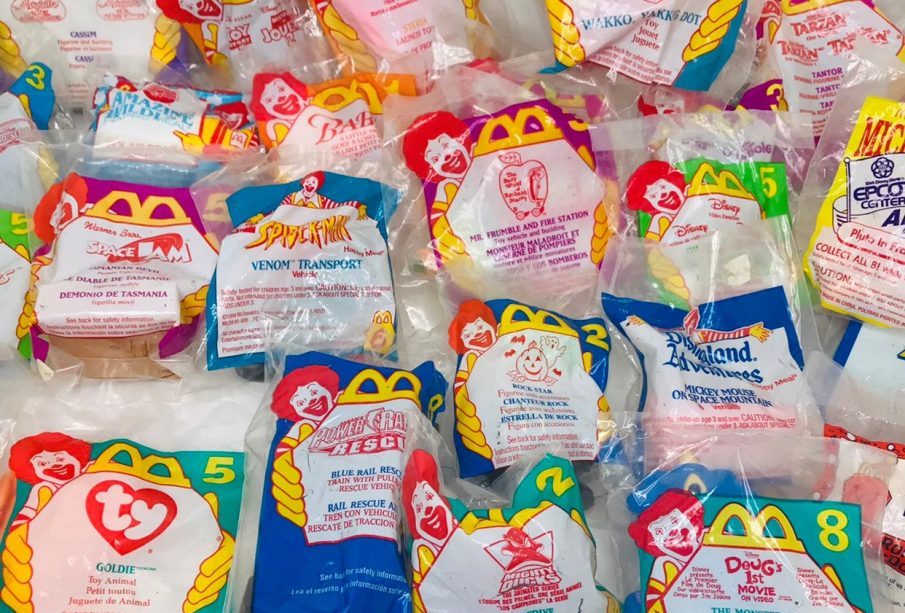
The Happy Meal traditionally bundles a small main (such as a burger or chicken item), a side and a drink with a toy. In many markets, McDonald’s and other operators have introduced alternative side and drink options aimed at providing healthier choices, and retailers publish nutrition information to help parents make informed decisions. The combination of convenience and child-focused marketing keeps the product central to family dining occasions.
Marketing and regulation
Marketing to children remains a key concern for policymakers and public-health groups. Across different countries, there are varying rules on advertising to young audiences and on promotional tie-ins. These regulatory landscapes influence how the Happy Meal is presented in store and in media, and may affect the inclusion of toys that are linked to certain types of food promotions.
Sustainability and product packaging
Environmental considerations have also shaped discussions. Retailers have faced pressure to reduce single-use plastics in toys and packaging and to move towards recyclable materials. Industry responses include testing alternative packaging and adjusting toy materials, though approaches vary by market and supplier capabilities.
Conclusion: What this means for consumers
The McDonald’s Happy Meal remains a culturally significant product and a flashpoint for broader policy and consumer trends. Observers expect the offering to continue evolving as brands balance convenience, parental expectations and regulatory requirements. For families, the key takeaway is to use available nutrition information and menu choices to select meals that fit dietary preferences. For policymakers and businesses, the Happy Meal will likely remain a useful indicator of how the fast-food sector responds to health and sustainability pressures.

