Managing Alton Towers Anxiety: Tips for Visitors
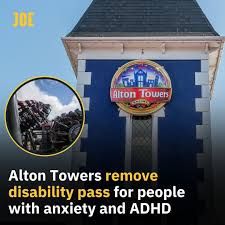
Introduction: Why Alton Towers anxiety matters
Visits to large theme parks such as Alton Towers can be exciting but also stressful. For people who experience anxiety, sensory sensitivity, or panic episodes, the combination of crowds, loud noises, queues and fast rides can make an otherwise enjoyable day challenging. Understanding triggers and planning ahead can reduce distress and help visitors make informed choices about their trip.
Main body: Practical information and steps
Why theme parks can trigger anxiety
Theme parks present several common stressors: unpredictable waits, sensory overload from music and attractions, high speeds on rides, and the pressure to keep up with companions. These factors can increase heart rate, cause dissociation or precipitate panic in vulnerable individuals. Recognising personal triggers—crowds, heights, enclosed spaces or spin—helps target coping strategies.
Planning before your visit
Preparation reduces uncertainty. Check the park’s official website or contact guest services to learn about access options, opening hours and busiest times; midweek and off-peak dates are generally quieter. If helpful, identify quiet zones, first aid points and the location of guest information when you arrive. Share plans with friends or family so companions know your needs and a simple exit strategy.
On-site strategies
Arrive early to avoid queues and allow time to acclimatise. Use apps or park maps to monitor wait times and choose calmer attractions first. Carry essentials: water, snacks, any prescribed medication and a phone with emergency contacts. If noise or crowds become overwhelming, step away to a less busy area, a café or the park boundary. Communicate with staff if you require assistance—most parks have procedures for medical or accessibility concerns and can advise on safe alternatives to busy rides.
Conclusion: What this means for visitors
Alton Towers anxiety is manageable with planning, clear communication and small on-the-day adjustments. As public awareness of neurodiversity and accessibility grows, attractions are increasingly mindful of diverse visitor needs; however, individual preparation remains key. By recognising triggers, using available resources and setting realistic expectations, visitors can reduce anxiety and increase the chances of an enjoyable experience.


