Luge at the Winter Olympics: History, Competition and Future
Introduction: Why luge matters at the Winter Olympics
Luge is one of the fastest and most technically demanding sliding sports contested at the Winter Olympics. Its combination of speed, precision and marginal engineering gains makes it a high-profile spectacle for organisers and viewers alike. The sport’s Olympic presence highlights broader issues — athlete safety, venue sustainability and technological development — that are relevant to all winter sports as host cities plan future Games.
Main body: History, format and recent developments
Historical context
Luge made its Olympic debut at the 1964 Winter Games in Innsbruck and has been on the programme ever since. Traditionally strong nations include Germany, Austria and Italy, with Germany particularly dominant on the medal table across decades.
Event formats
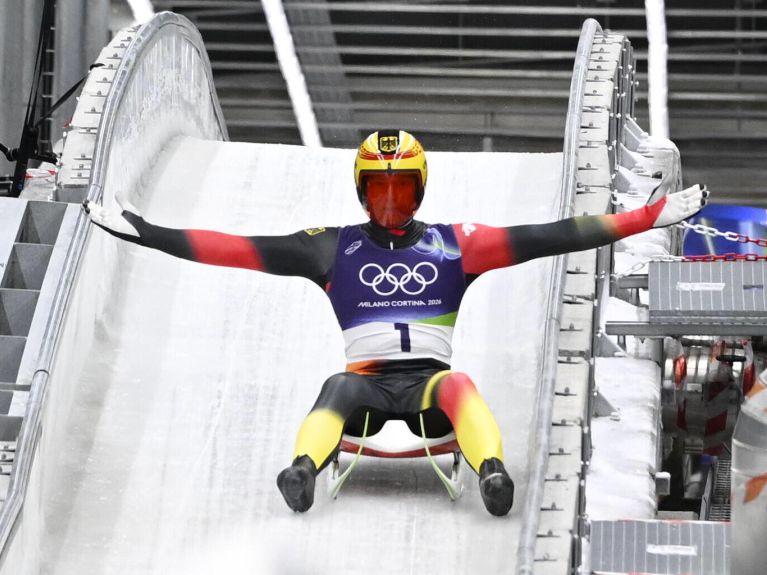
Olympic luge currently features men’s singles, women’s singles, doubles (an open event that has typically been contested by male pairs) and the team relay, which was added at the 2014 Sochi Winter Olympics. Races are decided over timed runs down an iced track; typical runs are around 1–1.5 km with athletes reaching very high speeds and making split-second steering adjustments while lying supine on the sled.
Safety and technological progress
Safety has been a central concern for the sport. Fatal and serious accidents in the past, most notably at the Vancouver 2010 Games, prompted immediate review of track profiles, start heights and protections. Since then, organisers and the sport’s governing bodies have implemented changes including adjusted start positions, enhanced track safety features and stricter athlete protocols. At the same time, sled design, ice preparation and timing systems have continued to evolve, with teams seeking legal technological advantages within regulated limits.
Conclusion: Outlook and significance for readers
As the Winter Olympics move forward — including the upcoming Milan–Cortina 2026 Games — luge will remain a headline winter sport that tests engineering, athletic skill and event management. Expect continued emphasis on athlete safety, sustainable venue planning and incremental technological improvements. For fans and host cities, luge offers both dramatic competition and a reminder that modern winter sport must balance speed and spectacle with rigorous safety and environmental considerations.

