Lloyds Banking Group’s New Closures Plan: What You Need to Know
Introduction
The operational landscape of banking in the UK is undergoing significant changes, and Lloyds Banking Group’s recent plan to close branches is a critical component of this transformation. With evolving customer preferences for digital banking, the company has announced a series of closures that could reshape access to in-person banking services for many communities. Understanding the implications of this plan is essential for both customers and industry observers.
Details of the Closures Plan
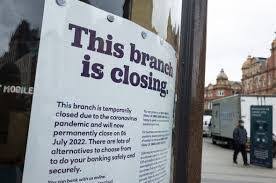
On October 15, 2023, Lloyds Banking Group disclosed its strategic initiative to shut down over 50 branches throughout England and Wales by the end of the year. This decision affects several of its high street brands, including Lloyds Bank, Bank of Scotland, and Halifax. The closures come in response to a 20% decrease in foot traffic over the past two years, predominantly attributed to a shift towards online banking solutions.
As part of their announcement, Lloyds stated that the closures are aimed at optimising operational costs while allowing the bank to invest further in digital services. The firm noted that nearly 45% of its customers now use mobile banking applications, signalling a marked decline in the need for physical branch services.
Impacted Communities
The affected branches are primarily located in suburban and rural areas, raising concerns about access to banking services for older demographics and those less comfortable with online banking. Local leaders have expressed worries about how the closures could impact community cohesion and support small businesses that rely on accessible banking facilities.
Response and Public Reaction
The public response has been mixed, with some customers expressing understanding of the need for banks to adapt in a digital age, while others lament the loss of personal service and face-to-face interactions that physical branches provide. Consumer advocacy groups have urged Lloyds to ensure all affected customers are given adequate support and guidance as the transition occurs.
Conclusion
The closures planned by Lloyds Banking Group signify the growing trend of digitisation in the banking sector. While the initiative aims to meet contemporary consumer needs, it raises valid concerns surrounding accessibility for all demographic segments. As more banking services move online, financial institutions must balance operational efficiency with community engagement to maintain customer trust and satisfaction. Looking forward, it is essential for customers and communities to stay informed about further developments while advocating for accessible banking options, whether physical or digital.