Latest fpl price changes and what managers should know
Introduction: Why fpl price changes matter
Price changes in Fantasy Premier League (FPL) directly affect squad value, transfer budgets and manager strategy. Even moves of £0.1 can influence template makeup, trigger late transfers and alter chip timing. With multiple sources tracking in‑season fluctuations, managers monitor changes to gain an edge—especially ahead of wildcards and double‑gameweek decisions.
Main developments and data
Recent falls and risers
Recent reports show a mix of small falls and notable risers. Andrew Robertson has dropped in value to £5.7m, while Hugo Bergvall has fallen to £5.2m. Daily trackers for 24/01/2026 list risers including Mukiele at £4.5m, Bruno Fernandes up to £9.3m, Mbeumo at £8.2m and Semenyo at £7.7m.
Price change predictions and live indicators
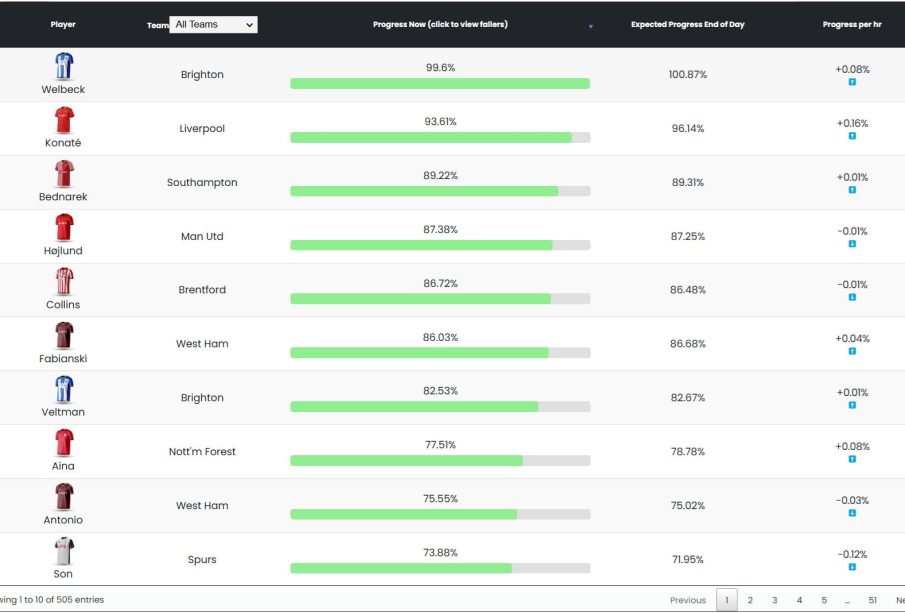
Price prediction tools continue to provide near real‑time indicators. The LiveFPL Price Change Predictor, for example, lists Bruno Fernandes (MID, £9.2m) with a +0.54% short‑term movement and 449 relevant transfers registered. It also shows players like Guéhi (DEF, £5.2m) with marginal negative movement and Foden (MID, £8.6m) with larger negative percentages. These tools present live rank, ownership context and short‑term transfer momentum to help managers plan.
Algorithm behaviour and anomalies
In principle, FPL price changes stem from net transfers in or out. Price falls happen in £0.1 increments and require net transfers below a threshold relative to ownership. However, the exact algorithm is not fully public, and anomalies occur: for instance, Darwin Núñez or Solanke (as reported by trackers) faced heavy transfers out yet avoided an immediate price fall for several days, creating apparent inconsistencies with algorithm‑driven expectations.
Conclusion: What managers should take from this
For readers, the practical takeaway is to use price predictors as one input among many. Monitor daily lists of risers and fallers, track transfer volumes for players you own or target, and be mindful that the algorithm can produce delays or anomalies. Short‑term volatility means managers should balance chasing small gains in value with long‑term squad stability—especially around wildcards and double gameweeks.