Larry the Cat: The Resident Chief Mouser at Number 10
Introduction: Why Larry the Cat matters
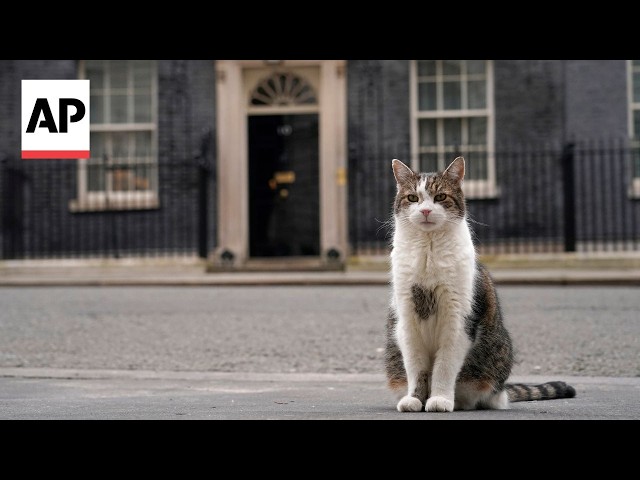
Larry the Cat has become more than a household pet; he is a recognisable figure linked with the daily life of 10 Downing Street. His presence attracts public interest because he humanises political spaces and provides a light‑hearted counterpoint to the often serious world of government. For many, Larry is a symbol of continuity amid changing administrations.
Main body: Background, role and public profile
Background and official role
Larry is known as the Chief Mouser to the Cabinet Office, a title given to the resident cat at the Prime Minister’s official residence. In this informal capacity, his primary purpose is pest control — a role that has historic precedence in British government buildings. Over time, Larry has also taken on an unofficial public relations role, appearing in photographs and news items that highlight less formal aspects of life at Number 10.
Public attention and media moments
Larry regularly features in media coverage and social media posts connected with the Prime Minister’s office. Stories about his behaviour, interactions with staff and occasional run‑ins with other animals have helped keep interest in him steady. These moments tend to offer a lighter news angle and have been used by journalists and the public alike to illustrate everyday life at the heart of government.
Symbolic value
Beyond pest control, Larry’s presence operates symbolically. A resident animal in an official building can soften public perceptions of institutions and make political environments feel more relatable. For many visitors and citizens, seeing Larry is a reminder of ordinary routines that continue despite political changes.
Conclusion: Significance and outlook
Larry the Cat remains a small but consistent element of British political culture. While his practical duties are modest, his symbolic and media value is disproportionate to his size. As administrations come and go, such resident animals can provide continuity and a familiar face (or whisker) for the public. For readers, Larry’s story is a reminder that even the corridors of power have room for everyday, comforting presences that bridge public life and personal affection.


